Creative Writing in the Outdoors: Inspiring Stories along Trails and Parks

Unleashing the Power of Nature in Writing
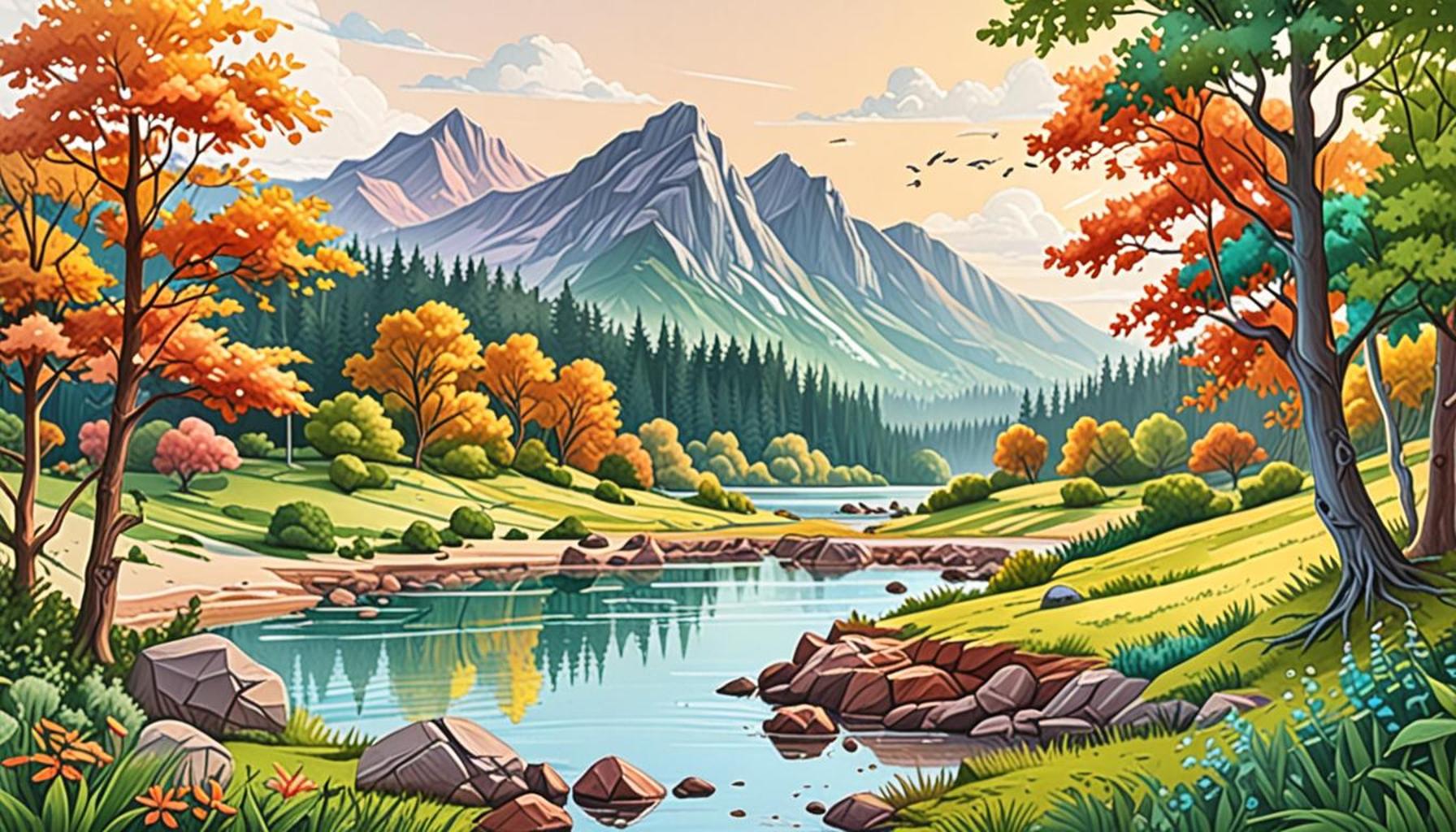
Nature’s grandeur serves as a vibrant canvas for igniting the imagination of creative minds. The great outdoors, from dense forests to winding trails, acts not only as a backdrop but as a source of stimulation that beckons writers to explore the depths of their creativity. In fact, stepping outside has proven to be a powerful means of tapping into one’s storytelling abilities, encouraging individuals to draw inspiration from their surroundings.
- National Parks: The majesty of places like Yellowstone, with its dramatic geysers and diverse wildlife, offers ample storytelling potential. Writers often find themselves captivated by the sheer beauty and ecological diversity, dreaming up narratives that reflect the intricate relationship between humans and nature. The breathtaking landscapes can lead to themes of adventure, environmental stewardship, or personal exploration.
- Hiking Trails: Whether embarking on a peaceful stroll along the Appalachian Trail or navigating a challenging hike in the Rockies, trails present unique experiences that can fuel the creative spirit. Each pathway tells a story of its own, filled with encounters ranging from serene moments of solitude to thrilling brush-ins with wildlife. Such experiences can often lead to profound reflections that enrich written works.
- Urban Parks: Even within bustling cities like New York or San Francisco, urban parks like Central Park or Golden Gate Park provide vital escapes. These green spaces are sanctuaries that inspire creativity amid the urban landscape. The vibrant energy of diverse visitors and the serenity of nature come together to create a dynamic environment where writers can rejuvenate their minds and find new perspectives.
Immersing oneself in outdoor environments allows writers to engage all their senses. The fragrances of fresh pine, the rustle of leaves in the wind, and the distant sounds of wildlife all contribute to an atmosphere ripe for creativity. This sensory engagement transforms ordinary moments into rich narratives, inviting writers to reflect on their emotions and insights experienced in nature.
The connection between nature and creativity is not a new concept. Many renowned authors and poets have drawn inspiration from the great outdoors. For example, the works of John Muir celebrate the beauty of wild landscapes, while Emily Dickinson often used nature imagery to capture complex human emotions. Such examples highlight how outdoor narratives can span different regions, cultures, and genres, offering fresh perspectives and challenging conventions in literature.
Exploring how writing outdoors can inspire diverse stories encourages both seasoned authors and budding wordsmiths alike to embrace the call of the wild. Each venture into nature can reveal personal tales waiting to be documented. Are you prepared to step outside, connect with your surroundings, and discover the story that is uniquely yours, just waiting to unfold?
DIVE DEEPER: Click here to discover more
Finding Inspiration in the Untamed Wilderness
Creative writing thrives on authentic experiences and unfiltered emotions, both of which are abundant within the embrace of nature. When writers take their craft outdoors, they often find that the simple act of engaging with their surroundings leads to an outpouring of ideas. Every rustling leaf or distant birdcall can catalyze a new direction for a story, creating a connection that is both personal and profound.
A journey through nature often unveils a tapestry of unique scenarios that prompt writers to weave compelling narratives. From the enchanting stillness of a misty morning to the vibrant colors of a sunset over a sprawling vista, each scene offers multiple layers of inspiration. Here are just a few ways nature nurtures the creative spirit:
- Emotional Reflection: The tranquility of a serene lake or the chaos of a rushing river can bring underlying emotional states to the surface. Writers often find it easier to reflect on their thoughts and feelings in these serene settings, fostering deeper connections to their characters and plots.
- Unpredictable Encounters: Wildlife encounters can be both startling and inspiring—whether it’s witnessing a deer quietly grazing or observing the intricate dance of butterflies in a meadow. These unexpected moments can serve as poignant metaphors or compelling plot points within a story.
- Sensory Detail: The sights, sounds, and smells of nature offer a rich palette for descriptive writing. Writers can evoke imagery that transports readers to a specific location, using details that resonate with the mundane sensations of everyday life juxtaposed against the extraordinary backdrop of nature.
One exemplary context is the Great Smoky Mountains National Park, where the convergence of culture and nature provides endless writing prompts. The park presents a mosaic of natural beauty, with lush forests, cascading waterfalls, and vibrant wildlife. This setting inspires stories that weave together personal journeys of self-discovery and themes of environmental conservation.
Additionally, consider the Pacific Crest Trail, where hikers often pen their thoughts in journals as they embark on expansive journeys that burst with emotion and adventure. The physical challenge of these lengthy hikes compels writers to confront their limits, often resulting in reflections that lead to narratives steeped in personal growth and resilience.
Moreover, urban parks, such as Millennium Park in Chicago, serve as microcosms of artistic inspiration. Here, the cacophony of urban life converges with patches of green, stimulating creative thoughts as writers observe the interactions between people, nature, and art. This dynamic environment fosters unexpected inspirations, blending the vibrancy of city life with the calming influence of nature.
As writers immerse themselves in the healing embrace of the outdoors, they engage not just in creative expression but also in a transformative process that challenges their perspectives. The very act of stepping outside ignites the imagination, revealing storytelling threads that would otherwise remain dormant within the walls of one’s home. It beckons individuals to explore their surroundings and uncover the magic hidden within the world—a call that echoes in the heart of every writer ready to embrace the vast narrative potential of the outdoors.
| Creative Writing Benefits | Outdoor Inspirations |
|---|---|
| Enhanced Imagination | Nature’s beauty stimulates creativity, making it easier for writers to conceptualize unique narratives. |
| Connection to Nature | Writing outdoors fosters a deep connection with the environment, often leading to eco-inspired stories and themes. |
| Stress Relief | Writing in serene environments can reduce anxiety, allowing for clearer thoughts and more focused writing sessions. |
| Community Engagement | Sharing stories with fellow enthusiasts can enhance the writing experience, fostering collaboration and support. |
The interplay between creative writing and nature is not just about penning down thoughts; it’s a harmony that enriches the writer’s journey. Engaging with trails and parks can initiate themes that echo the whispers of the wind or the rustling leaves, creating deeper connections with the stories we tell. Writers often find that stepping outside frees their minds, allowing melodies of creativity to dance on the pages. Moreover, spending time immersed in nature can spark profound ideas, leading to narratives that reflect the changing seasons or the majestic landscapes. There’s an innate rhythm to the outdoors, a pulse that resonates with creativity, urging writers to explore not only the surroundings but also the intricacies of human emotions tied to those experiences. This relationship between creativity and nature is indeed worth exploring further, opening a chapter in the realm of writing that is both fulfilling and inspiring.
DISCOVER MORE: Click here to unlock your outdoor oasis
Igniting Creativity Through Shared Experiences
Creative writing often flourishes in the company of kindred spirits, where collaboration and shared experiences amplify imagination. Outdoor writing retreats and workshops invite writers to step into breathtaking landscapes together, fostering creative synergy while generating a collection of inspiring stories. These communal experiences serve as a backdrop for participants to explore diverse perspectives and cultivate their storytelling abilities.
Writing retreats held in national parks such as Yosemite or the Grand Canyon allow aspiring authors to immerse themselves in the beauty of their surroundings, while expert facilitators guide them through exercises designed to enhance their writing skills. Journaling amidst breathtaking views not only aids in capturing the essence of nature but also encourages participants to share their narratives, enriching the experience for all involved. As each writer brings their voice to the table, a vibrant tapestry of stories emerges—stories that reflect the joys, challenges, and triumphs of the human experience.
Additionally, organized hiking groups offer a unique platform for storytelling. Adventures along scenic trails, like the Appalachian Trail or the Cascades, often become personal journeys of discovery. Hikers naturally engage in conversations about their lives and inspirations while navigating challenging terrain. The conversational exchanges can ignite ideas for new stories or provide valuable insights into character development. Writers benefit from the narratives of fellow trekkers, who might share anecdotes filled with humor or heart-wrenching resolve, creating a wellspring of material ready to be transformed into compelling prose.
Another fascinating avenue to explore is the National Park Service’s Artist-in-Residence program, which promotes creative endeavors in parks across the country. This initiative allows writers to live and work in iconic natural landscapes, providing ample time for reflection and crafting new work. Residents often emerge from these experiences with rich accounts of their time spent attuned to nature. Writers tap into their surroundings, interpreting the interplay of light, sound, and the essence of the ecosystem. For example, Yellowstone National Park can inspire narratives that delve into themes of renewal, resilience, and the profound connection humans have with the natural world.
Moreover, the therapeutic benefits of outdoor writing extend beyond individual expression. Several studies highlight how interacting with nature enhances mental wellness, reducing stress and promoting creativity. The American Psychological Association points out that writers who engage regularly with the outdoors often report heightened levels of inspiration and focus, enabling them to craft narratives that resonate with readers on a deeper level. In essence, the outdoors acts as a canvas where emotions can be painted freely and authentically.
Beyond natural wonders, urban spaces also thrive with possibilities for storytelling. Consider writing workshops held in botanical gardens or arboretums such as the Brooklyn Botanic Garden or Huntington Library in California, where writers can delve into the details of flora and fauna, exploring themes like growth, decay, and change. These settings challenge writers to think beyond traditional landscapes, infusing their work with an urban essence blended with the tranquility of nature.
Through shared experiences and community engagement, writers can uncover new narrative threads, crafting stories inspired by the diverse tapestry of life weaving through the trails and parks they explore. As they blend individual insights with collective inspiration, authors not only enrich their craft but also contribute to a greater conversation that echoes the beauty of the world around them.
DIVE DEEPER: Click here for more insights
Embracing Nature’s Narrative
In conclusion, creative writing in the outdoors offers a dynamic platform for inspiration that transcends the confines of traditional settings. Whether through the serene landscapes of national parks or the lush environments of urban gardens, the world around us presents an abundance of stories waiting to be told. The act of writing amidst nature not only amplifies personal creativity but also fosters connections among writers, allowing them to share ideas, experiences, and insights that enrich their craft.
The immersive experiences provided by wildlife retreats, organized hikes, and artist-in-residence programs create unique opportunities for writers to engage deeply with their surroundings, translating the beauty and challenges of nature into vivid narratives. By stepping outside, writers unlock a sensory world that fuels their imagination, enabling them to craft stories that resonate on emotional and philosophical levels.
As each story unfolds, woven from the threads of shared experience and nature’s splendor, a collective echo is formed—one that celebrates human resilience, creativity, and the undeniable bond we share with the environment. Emphasizing the connection to nature can lead to deeper dialogues about our experiences and responsibilities as stewards of the earth.
Thus, embracing the outdoors as a space for creative writing heralds a new chapter in modern storytelling. Aspiring writers are encouraged to seek out the trails, parks, and gardens that beckon them, as the narratives awaiting discovery are limited only by their imagination. In doing so, not only will they cultivate their art, but they will also breathe life into the timeless stories that spring from the heart of nature.

Linda Carter
Linda Carter is a writer and creative hobbies expert specializing in crafting, DIY projects, and artistic exploration. With extensive experience helping individuals discover their creative potential and bring their ideas to life, Linda shares her knowledge on our platform. Her goal is to empower readers with practical tips, inspiring ideas, and step-by-step strategies for success in the world of creative hobbies.