Landscape Drawing: Capturing Natural Beauty on Paper and Pencil
The Emotional Impact of Landscape Drawing
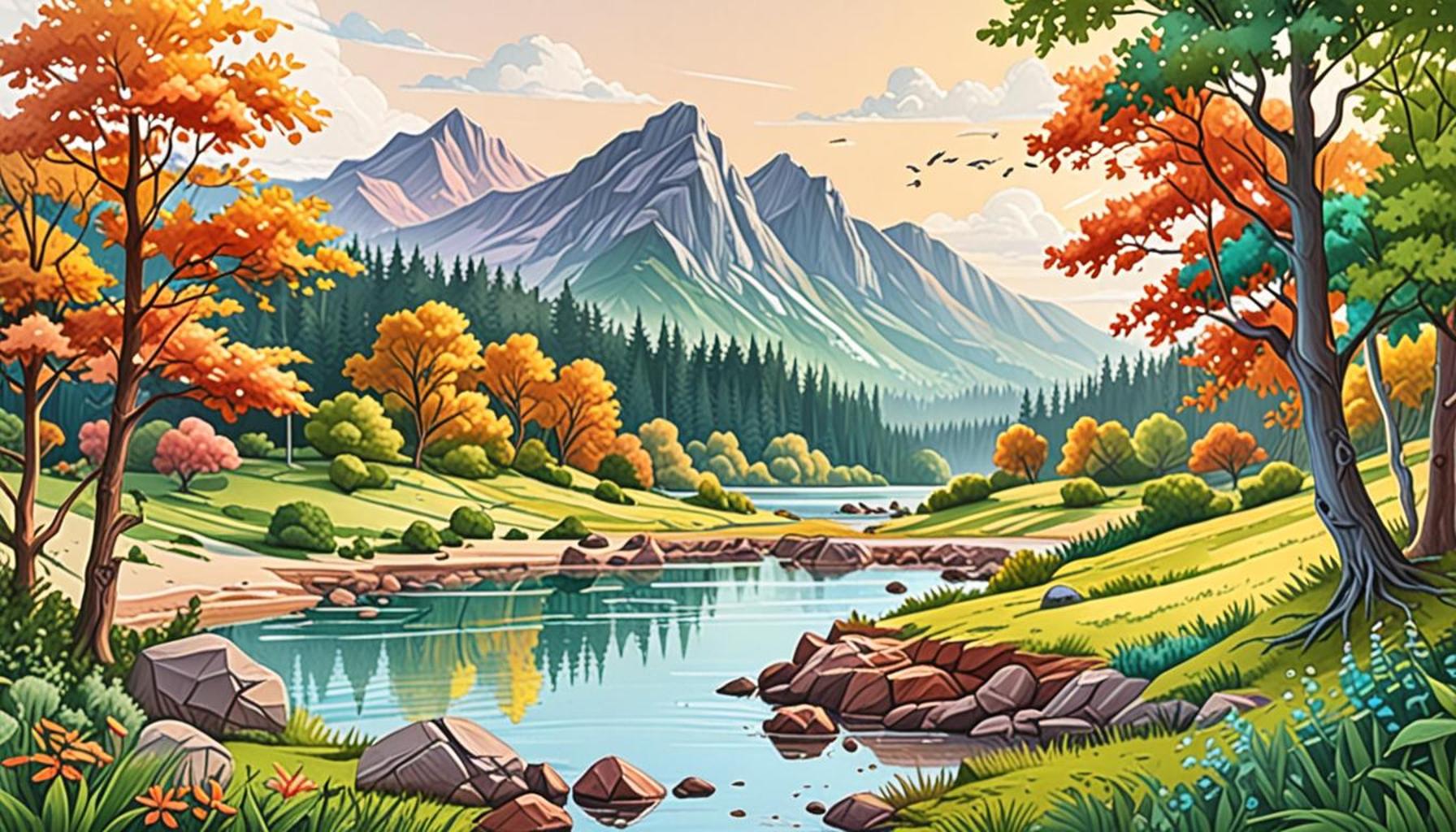
In the realm of art, few subjects evoke as much emotion and inspiration as nature. Landscape drawing allows artists to explore the intricate beauty of the great outdoors, translating vibrant scenes into stunning two-dimensional works. This practice not only hones an artist’s skills but also deepens their appreciation for the environment around them. By immersing themselves in natural surroundings, artists can convey a sense of wonder and awe that resonates with viewers. The subtle play of light, the shifting colors of the seasons, and the unique shapes of flora and fauna all provide endless material for artistic exploration.
Consider these key features that make landscape drawing a compelling pursuit:
- Connection to Nature: Engaging with landscapes fosters a personal bond with the scenery, leading to a richer depiction of natural beauty. For instance, an artist who spends time sketching a local park in the fall can capture the vivid hues of red and gold leaves, translating an emotional experience into visual art.
- Variety of Subjects: From mountains and forests to coastal scenes and urban parks, the options for landscape drawing are limitless. Each geographical location offers distinctive inspirations; imagine rendering the rolling hills of Napa Valley or the serene coastline of Maine. This diversity allows artists to explore different themes and settings throughout their careers.
- Techniques and Styles: Artists can experiment with different mediums, such as pencil, charcoal, or ink, each offering unique textures and effects. Watercolors can create soft, atmospheric scenes, while pastels might enable bolder expressions. Artists can embrace various styles from realism to impressionism, allowing for personal expression and creativity.
Furthermore, landscape drawing invites reflection on crucial issues like environmental conservation. As artists commit their observations to paper, they capture fleeting moments that might otherwise go unnoticed, sparking conversations about the delicate balance of our ecosystems. For example, documenting a local wetland not only serves as an artistic endeavor but also promotes awareness of its ecological importance.
In the United States, renowned locations like the Grand Canyon, Yellowstone National Park, and the Great Smoky Mountains provide endless inspiration for artists. The Grand Canyon, with its vast chasms and intricate rock formations, challenges artists to capture its grandeur. Meanwhile, the geothermal wonders of Yellowstone offer unique textures and colors, providing a vivid backdrop for creative exploration. Observing these breathtaking scenes can ignite a passion for landscape art, encouraging individuals to put pencil to paper and explore their creativity in ways they never thought possible.
Whether you’re a seasoned artist or an enthusiastic beginner, landscape drawing offers a rewarding journey into the heart of nature. By observing, interpreting, and capturing our world, artists have the opportunity to create a visual record that resonates across generations. Let’s delve deeper into the techniques and inspirations that will transform blank pages into beautiful representations of our scenic world, highlighting the profound connection between art and the environment.
DISCOVER MORE: Click here to uncover the benefits of music as a creative hobby
Exploring Techniques in Landscape Drawing
As artists embark on their journey to capture natural beauty through landscape drawing, understanding various techniques is essential. The use of different mediums and methods can significantly enhance the representation of nature’s stunning vistas. Each approach allows artists to express their vision and evoke emotion, making art a deeply personal experience. Here are some fundamental techniques worth exploring:
- Sketching Fundamentals: Every landscape begins with a sketch, which establishes the composition and overall flow of the artwork. Artists often start with light pencil strokes, mapping out the horizon line and major features such as mountains, trees, and bodies of water. By focusing on proportions and perspectives, they ensure the finished piece has depth and balance.
- Shading and Texturing: Once the basic outline is complete, artists can employ shading techniques to add dimension and life to their drawings. Utilizing hatching, cross-hatching, or stippling, they can create the illusion of light and shadow. This is especially important when depicting elements like water reflections or the textured bark of trees.
- Color Integration: Adding color to landscape drawings can truly transform a piece. Artists can experiment with colored pencils for fine details or pastels for softer, more blended effects. The choice of color dramatically affects the mood; vibrant hues can evoke feelings of joy and energy, while muted tones may resonate with calm and serenity. This fusion of color not only highlights essential features but also captures atmospheric conditions like dusk or dawn.
- Layering Techniques: To create a sense of realism, many artists prefer layering their drawings. This involves starting with lighter colors or details and progressively building up darker shades and intricate textures. Layering achieves a visual richness that resonates with the viewer and adds complexity to the piece, inviting them to explore every detail.
Moreover, the location of the drawing can significantly influence the process. Artists often find that setting up their easel outdoors allows them to work directly from life, providing a comprehensive understanding of the landscape. Observing the dynamic changes in light, weather, and surroundings encourages spontaneity and realism that often eludes studio work. For example, capturing the fleeting moments of sunlight streaming through clouds over a mountain range can lead to unique interpretations that reflect the artist’s immediate emotional response.
The influence of light cannot be understated in landscape drawing. Different times of day offer various colors and contrasts that can alter an artist’s approach. Early morning light may cast soft pastel hues, while the golden hour, just before sunset, can enhance colors to create dramatic tones. By studying these variations, artists can adapt their techniques to best showcase the inherent beauty of their subject matter.
As landscape drawing continues to gain popularity, enthusiasts should take the time to explore these techniques and discover which ones resonate with their creative vision. By experimenting with methods, mediums, and outdoor locations, artists can develop their style, ultimately leading to a deeper connection with both art and the environment. Capturing natural beauty on paper and pencil is a journey fueled by curiosity and passion, offering endless possibilities for personal expression.
| Advantage | Description |
|---|---|
| Enhances Observation Skills | Practicing landscape drawing improves your ability to see details in natural scenes, such as light, shadow, and perspective. |
| Encourages Emotional Connection | Engaging with nature through drawing fosters a deeper emotional bond with the environment, allowing artists to express their feelings on paper. |
Landscape drawing invites artists to experience nature in an entirely new way. The advantages it provides not only enhance their artistic skills but also encourage a more profound appreciation for the world around them. As artists develop their observation skills, they gain insights into details often overlooked in everyday life. Exploring light and shadow while creating a piece can transform a simple outdoor scene into a captivating artwork. Additionally, the emotional connection that comes from capturing a landscape on paper allows individuals to convey their personal interpretations of beauty and stillness in nature. This transformative practice invites deeper exploration of how landscapes inspire creativity and emotional well-being. By drawing, artists can engage more fully with their surroundings, igniting curiosity about the nuances of the natural world. This connection can lead to a heightened sense of purpose in both art and life, motivating individuals to further investigate various techniques and styles in their landscape drawing journey.
DISCOVER MORE: Click here to deepen your understanding
Enhancing Your Landscape Drawing Skills
To truly master landscape drawing, artists must strive to incorporate not just techniques but also an understanding of the environment. One effective way to enhance skills is through regular practice. This can be achieved by frequent visits to natural landscapes—be it a local park, mountains, or seascapes. Immersing oneself in these settings fosters a deeper appreciation for the interplay of light, shadow, and color. Many artists recommend setting a specific goal for each outing, such as capturing the texture of a rocky cliff face or the intricate patterns of leaves in a dense forest.
Furthermore, studying the works of established artists can provide valuable insights. By analyzing pieces from famous landscape artists like Claude Monet or contemporary visionaries like Andrew Wyeth, aspiring artists can uncover varied techniques and perspectives. Many art institutions and online platforms offer courses with in-depth critiques, allowing learners to refine their skills and adapt new methods to their repertoire.
Outdoor sketching sessions offer another level of engagement that can’t be replicated indoors. Numerous community initiatives, such as «plein air» workshops, celebrate this approach, urging artists to sketch in open environments. Participating in such groups fosters camaraderie and inspiration among artists. Even casual sketching with friends can lead to stimulating conversations about techniques, styles, and personal artistic challenges.
The Role of Nature in Landscape Inspiration
The natural world serves as an endless source of inspiration for landscape drawing. Artists are encouraged to explore different terrains, such as deserts, forests, mountains, and coastal regions. Each setting presents distinct challenges and rewards. For instance, the muted color palette of a foggy morning at the beach differs greatly from the vibrant colors of a sunset over a desert landscape. Understanding these differences helps artists choose appropriate colors and techniques for their own work.
Additionally, observing wildlife can add enriching elements to landscape drawings. Imagine capturing a serene lake surrounded by autumn trees, with a heron standing majestically at the water’s edge. Incorporating wildlife not only adds life to the composition but also provides context, allowing the viewer to appreciate the harmony between animals and their environments.
The Importance of Feedback and Reflection
Receiving feedback from peers or mentors is a crucial aspect of improving landscape drawing skills. Constructive criticism enables artists to see their work from different perspectives, often highlighting areas for improvement that may not have been initially apparent. Joining local art clubs or online communities dedicated to landscape art can facilitate this process. Engaging in discussions and sharing drafts can lead to valuable insights, allowing for artistic progress.
Furthermore, reflecting on past works is essential for growth. Keeping a sketchbook allows artists to track their evolution, note what techniques worked or didn’t, and pinpoint what subject matter resonates with them. Reviewing these sketches periodically can inspire new ideas and prompt the artist to revisit and rework unfinished pieces.
Ultimately, the journey of landscape drawing is both a technical skill and a personal exploration. By continuously honing their abilities, drawing inspiration from varied natural environments, and celebrating the act of creation, artists can enrich their craft while beautifully representing the allure of the world around them. Through dedication and curiosity, capturing the enchanting beauty of landscapes on paper and pencil becomes not just an art form, but a cherished adventure.
DIVE DEEPER: Click here to discover the magic of outdoor crafts
Conclusion: The Art of Landscape Drawing
As we navigate the world of landscape drawing, it becomes clear that this form of art transcends merely portraying scenery; it is an intimate connection between the artist and nature. The techniques discussed—from mastering the use of light and shadow to embracing various terrains—serve as building blocks for capturing the essence of the natural world. Each stroke of the pencil offers a new opportunity to explore and interpret the beauty surrounding us, inviting viewers into a visual narrative of harmony and tranquility.
Regular practice and engagement with nature prove essential for artistic growth, while the wealth of inspiration found in diverse landscapes fosters creativity. Whether you’re sketching the sweeping vistas of national parks or the intricate details of suburban gardens, remembering to incorporate elements of wildlife enhances the narrative depth of your work.
The significance of feedback and reflection cannot be overstated. Through interactions with fellow artists, critiques, and self-evaluation, you can fine-tune your skills and continue to evolve as a creator. This journey is not just about the final piece but also about the experiences and insights gained along the way. As artists embrace the adventure of landscape drawing, they reveal their unique perspectives, allowing viewers a glimpse into their interpretation of the world.
Ultimately, landscape drawing is a celebration of nature’s beauty, a challenge that encourages continual learning and adaptation. Each completed piece stands as a testament to the artist’s journey, uniquely capturing the ever-changing aspects of our environment. So gather your materials, venture outside, and embark on your personal exploration of the landscapes that inspire you.

Linda Carter
Linda Carter is a writer and creative hobbies expert specializing in crafting, DIY projects, and artistic exploration. With extensive experience helping individuals discover their creative potential and bring their ideas to life, Linda shares her knowledge on our platform. Her goal is to empower readers with practical tips, inspiring ideas, and step-by-step strategies for success in the world of creative hobbies.