The Journey of Homemade Cheese: Learning to Produce Artisan Cheeses at Home
Unveiling the Craft of Homemade Cheese
Making cheese at home is an art form that has captivated many food enthusiasts. The allure of crafting artisan cheeses in your own kitchen combines tradition with creativity, fostering a deeper connection to the culinary world. For many, it’s not just about making cheese; it’s about exploring history, chemistry, and flavor all in one delicious journey.
The journey to self-made cheese is both rewarding and educational. As you delve into this fascinating craft, you will experience a variety of elements that will not only teach you about cheese-making but also enhance your culinary skills. Here are a few highlights of what you can expect:
- Hands-On Learning: Cheese-making is a tactile experience; each step—from curdling milk to slicing the final product—demands your attention and care. As you warm the milk and add rennet, you’ll witness the transformation from liquid to curds, a magical moment that will spark your curiosity further.
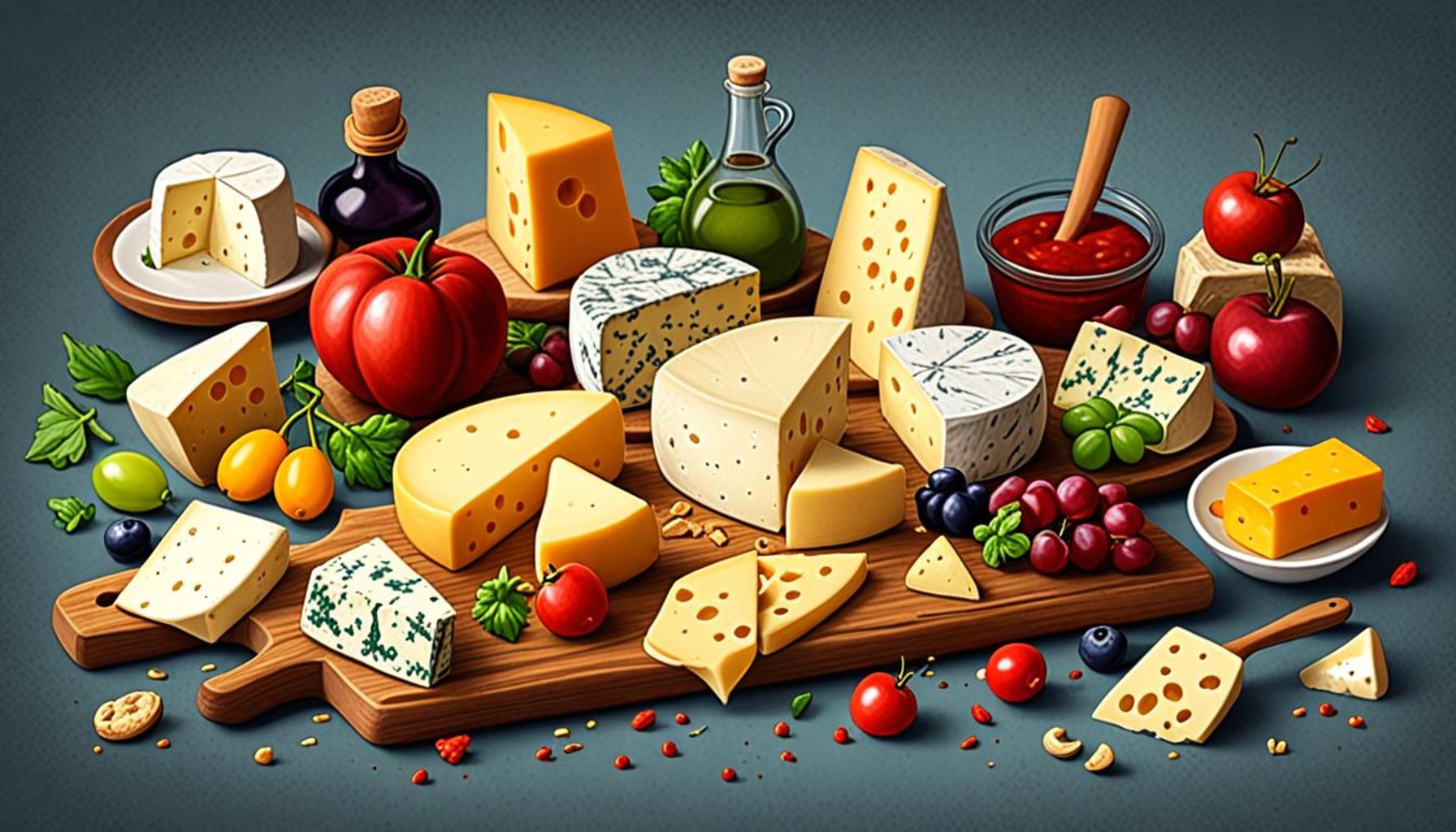
- Variety of Cheeses: The world of cheese is vast. You can experiment with different textures and flavors by creating a spectrum from creamy mozzarella, perfect for indulgent pizzas, to robust cheddar, ideal for a classic mac and cheese. Each cheese style comes with its own set of techniques and traditions, providing endless opportunities for experimentation.
- Customization: One of the most exciting aspects is the ability to infuse your creations with herbs, spices, and even fruits. Imagine crafting a soft goat cheese with fresh rosemary or a smoky chipotle cheddar that adds zest to your sandwiches. Your imagination is the only limit!
By diving into the world of homemade cheese, you’ll not only create delicious food; you will also embrace a cherished culture. This culinary skill allows you to discover recipes and techniques that have been passed down through generations. Many cheese makers often share their stories, engaging you in a rich narrative that ties back to their roots.
As you progress through your cheese-making journey, you’ll uncover valuable tips, fundamental techniques, and essential ingredients that are key to success. Many enthusiasts express sheer delight in transforming basic ingredients—milk, salt, and rennet—into something extraordinary. For instance, the simple act of aging cheese alters its flavor and texture, opening up new horizons for taste.
For those in the United States, making homemade cheese can also be a sustainable practice. Seeking out local farms for high-quality milk not only supports your community but also ensures your cheese is made from the freshest ingredients available. Joining farmer’s markets or cheese-making workshops can connect you with a community of like-minded individuals who share a passion for this art.
Join us as we explore the fascinating world of making artisan cheese at home. Whether you are a beginner eager to learn or a seasoned cheese lover looking to refine your skills, the fulfilling path towards culinary mastery awaits. Prepare to adorn your kitchen with delightful cheeses that tell stories of tradition, creativity, and community.
DON’T MISS: Click here to dive into the world of unique collectibles
Getting Started: The Essentials of Cheese-Making
The first step in your cheese-making adventure begins with understanding the essential ingredients. At the heart of every cheese lies milk. Its quality directly influences the final product’s taste and texture. While many home cheese-makers opt for cow’s milk due to its accessibility, don’t overlook the rich flavors offered by goat, sheep, or even buffalo milk. Exploring local farms or farmer’s markets can help you source high-quality, fresh milk, which is the cornerstone of artisan cheese.
Once you have your milk, the next critical ingredient is rennet, a natural enzyme that initiates the coagulation process, transforming liquid milk into solid curds. For those with dietary restrictions or preferences, vegetable-based rennets are available, providing a suitable alternative for vegetarian cheese-makers.
Another key component to consider is starter cultures, which are responsible for developing flavor and aroma by fermenting lactose into lactic acid. Different types of cultures yield distinct flavors, and choosing the right one can elevate your cheese production to new heights. You can find various starter culture options online or at specialty food stores, allowing you to experiment with different cheese profiles.
The cheese-making process can be broken down into several fundamental stages, each crucial in bringing your cheese to life:
- Pasteurization and Preparation: If you’re using raw milk, it’s essential to pasteurize it to eliminate health risks. However, many artisan cheese-makers prefer using unpasteurized milk to maintain the natural flavors.
- Curdling: This is the phase where rennet is added to heated milk, leading to the formation of curds. The waiting period can be a delightful time for anticipation, as you witness the milk’s metamorphosis.
- Cuting and Cooking Curds: Once curds form, they need to be cut into small pieces to allow whey to escape. Depending on the type of cheese, further heating may be required to adjust the curds’ moisture content.
- Draining and Molding: After achieving the desired curd consistency, draining whey from the curds is next. This step can involve pressing the curds into molds for shaping.
- Aging: This final stage greatly influences flavor and texture. Aging can vary from a few days to several months, with environmental factors like temperature and humidity playing a significant role.
As you embark on this journey, you’ll find that patience and experimentation are your greatest allies. Each batch of cheese will provide an opportunity to learn and refine your skills. With practice, what began as a humble kitchen experiment can develop into artisan creations that are not only enjoyable but also shareable.
In the next sections, we’ll delve deeper into specific types of cheeses you can create, the equipment you’ll need, and how to troubleshoot common challenges. By immersing yourself in the world of homemade cheese, you invite flavors, techniques, and stories that enrich your culinary experience, transforming your kitchen into a vibrant center of creativity.
| Advantages | Description |
|---|---|
| Cost-Effective | Making cheese at home can significantly reduce the cost compared to store-bought options, especially for artisan varieties that are often priced premium. |
| Customization | Home cheesemaking allows you to tailor flavors and textures to your personal taste preferences, using different milk types, cultures, and aging techniques. |
| Quality Control | Craft your cheese with full knowledge of ingredients, ensuring a healthier outcome free from preservatives and artificial additives. |
| Creative Expression | The process of making cheese encourages learning and artistic innovation, providing a rewarding, hands-on activity that results in a delightful product. |
Delving into the world of homemade cheese offers more than just a culinary skill; it invites you on an enriching journey of creativity, customization, and sustainability. Each batch you create tells a story of your preferences and values, reflecting an intimate connection to your food source. As you explore various cheese types— from creamy ricotta to sharp cheddar— each experience shapes your understanding of fermentation and the art of dairy.By immersing yourself in the cheesemaking process, you not only gain skills valuable in the kitchen but also foster a deeper appreciation for artisan products. The journey emphasizes the importance of quality ingredients, encouraging you to source local milk and flavorings, which supports community farmers and reduces your carbon footprint. Embrace this path and uncover how homemade cheese can transform your culinary repertoire!
DISCOVER MORE: Click here to dive deeper
Exploring Different Types of Artisan Cheeses
As you dive deeper into the world of cheese-making, you’ll discover a delightful array of artisan cheeses that are waiting to be created in your kitchen. Each cheese type offers a unique set of characteristics, making it an exciting venture for both novice and experienced cheese-makers alike. Here are some renowned cheese varieties to consider, along with tips on how to produce them:
- Mozzarella: This beloved cheese is a staple in Italian cuisine and is known for its creamy texture and stretchability. To make mozzarella, focus on using high-quality whole milk along with a specific starter culture that aids in achieving the desired melt. The process involves curdling the milk and then stretching the curds in warm water, creating that signature mozzarella texture. Perfect for pizza lovers!
- Ricotta: This is an excellent beginner cheese that’s simple and forgiving. Made from heated whey left over from other cheesemaking processes, ricotta is an incredibly versatile cheese that can be used in both sweet and savory dishes. Adding a bit of cream can elevate its richness, making it perfect for lasagna or desserts.
- Cheddar: Known for its sharp and tangy flavor, cheddar involves a more complex process of aging. As you create your cheddar, pay attention to the acidity levels of your curds and ensure you properly press them. The aging process here is crucial; you can age your cheddar for anything from a few weeks to several years, each duration offering distinct flavor profiles.
- Brie: This soft cheese is appreciated for its rich, creamy interior and edible rind. Making Brie requires special care, as you must use an appropriate mold and culture to foster the right environment for surface ripening. Aging Brie takes finesse; too little time results in a firmer texture, while excessive aging may lead to overly pungent flavors.
- Gouda: This Dutch cheese brings a delectable sweetness that can be intensified with aging. To craft Gouda, pay special attention to the initial curd formation and consider using caramelized milk to give it a distinct flavor. You can also experiment with adding herbs or spices for a personalized touch, making your Gouda a reflection of your culinary preferences.
As you experiment with these cheese types, it’s essential to understand the role of temperature and time in cheese production. Many successful cheese-makers keep a meticulous record of their processes to tweak conditions for better outcomes. Monitoring temperature precisely during curdling and aging can influence the cheese’s final texture and flavor significantly.
Furthermore, consider investing in specialized cheese-making equipment, such as cheese molds, thermometers, and cheese presses. While it’s possible to make cheese using kitchen tools you already possess, using the right equipment can streamline your process and enhance the quality of your results. Online stores and local culinary shops often carry these items, allowing you to build your cheese-making arsenal as you progress.
The adventure continues not only in crafting various cheeses but also in sharing your creations with friends and family. Hosting cheese tastings where you pair your artisanal cheeses with homemade accompaniments, like jams and breads, can enrich your experience and showcase the fruits of your labor.
In the following sections, we will delve into how to tackle common challenges faced during cheese-making and tips for troubleshooting potential problems you may encounter. The journey into homemade cheese is filled with discovery and creativity, further enhancing your connection to the culinary arts.
DISCOVER MORE: Click here to dive into global flavors
Conclusion
The journey of homemade cheese-making is not just a culinary endeavor; it’s a path of exploration, creativity, and self-discovery. As you venture into the production of artisan cheeses, you’ll find that every cheese type you create—whether it’s the gooey mozzarella, the creamy ricotta, or the sharp and complex cheddar—offers a unique story and flavor profile that reflects your personal taste and skill level. Embracing the challenges and joys of the cheese-making process transforms your kitchen into a laboratory for gastronomic delights, where you can play with flavors, textures, and techniques.
Remember, success in cheese-making revolves around understanding the intricacies of temperature, time, and the essential role of quality ingredients. As you gain experience, your confidence will grow, unlocking the potential to experiment further, whether by aging your creations or infusing unique herbs and spices to customize their taste. Investing in the right cheese-making equipment will certainly enhance your results and streamline your process.
Above all, cheese-making is about sharing the fruits of your labor. By inviting friends and family to partake in cheese tastings and pairing your creations with artisanal breads and homemade jams, you cultivate a communal experience that celebrates food and togetherness. The journey of homemade cheese is as much about the connections you foster as it is about the delicious cheeses you’ll produce. So, whether you’re a novice or seasoned cheese-maker, embrace this adventure, and allow your love for artisan cheese to flourish within your home.

Linda Carter
Linda Carter is a writer and creative hobbies expert specializing in crafting, DIY projects, and artistic exploration. With extensive experience helping individuals discover their creative potential and bring their ideas to life, Linda shares her knowledge on our platform. Her goal is to empower readers with practical tips, inspiring ideas, and step-by-step strategies for success in the world of creative hobbies.