The Art of Food Photography: Tips for Capturing Your Favorite Dishes
The Power of Food Photography
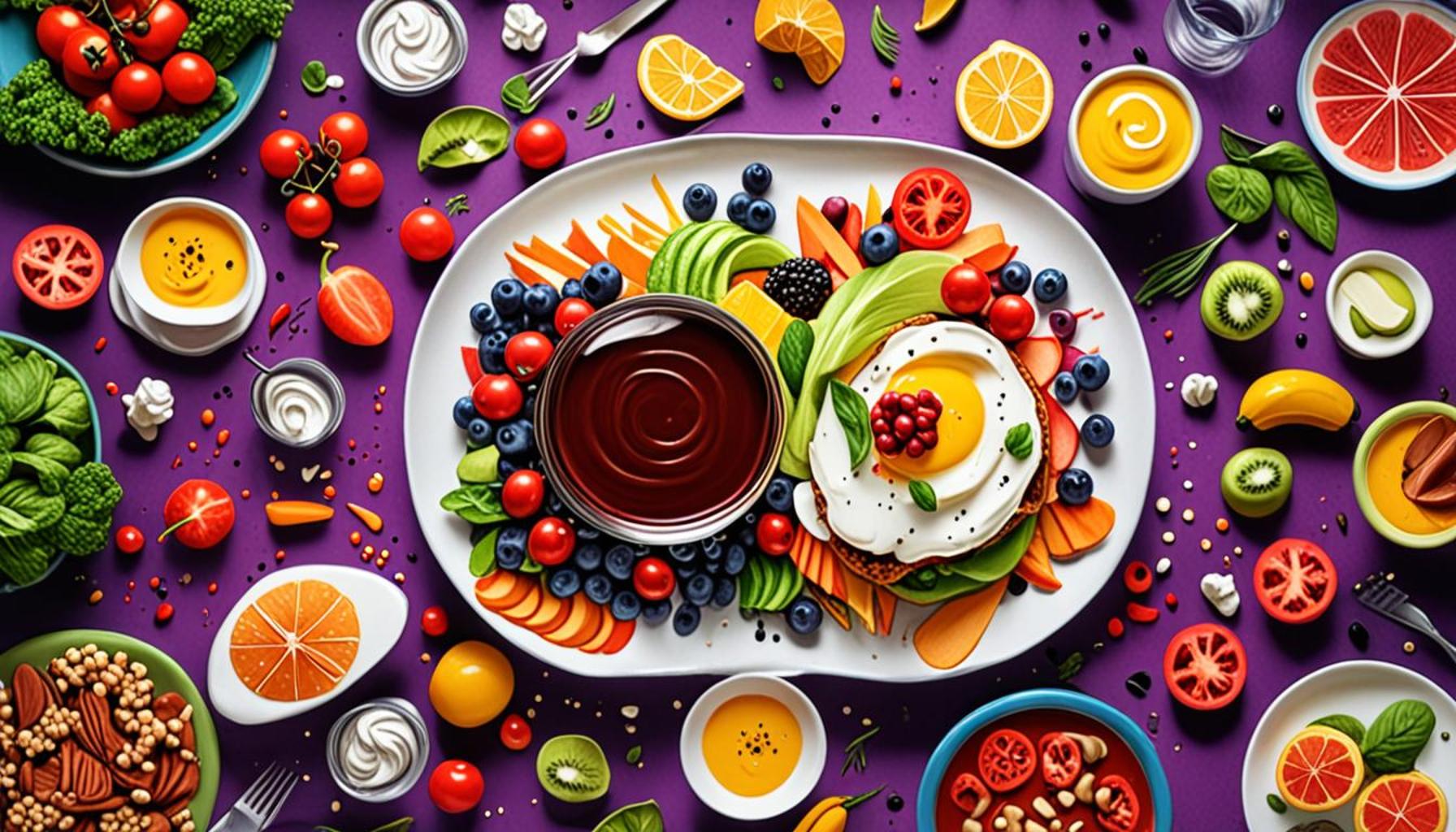
In today’s digital landscape, where social media fuels the culinary scene, the importance of aesthetics in food photography cannot be overstated. The visual presentation of our meals serves not just as a source of inspiration but as a means of connection—inviting others to share in our gastronomic adventures. Capturing the soul of your dishes transcends mere snapshots; it transforms each meal into a celebration of culinary art.
What elements make food photography truly captivating? Understanding various factors can help anyone—from novice home cooks to seasoned food bloggers—achieve stunning results.
- Lighting: Harnessing natural light is paramount in food photography. Soft, diffused daylight—ideally during the golden hour—can enhance the vibrancy of colors and bring out the intricate textures of your dish. For instance, shooting a bowl of creamy pasta with sunlight gently streaming through a nearby window can create a warm, inviting image. Conversely, bright overhead lighting can wash out colors and produce unflattering shadows.
- Composition: The way a plate is styled can tell a nuanced story. Employing the rule of thirds can guide the viewer’s eye to crucial elements of your dish. For example, positioning a vibrant salad slightly off-center with scattered herbs around it can evoke a sense of freshness. Moreover, layering different ingredients can create depth, adding visual interest to your photographs.
- Background: A clutter-free, minimalist background usually works wonders in emphasizing the food itself. By opting for colors that complement rather than compete with your dish, such as a rustic wooden table or a clean white plate, you allow the culinary creation to take center stage. Using elements like textured fabrics or muted ceramics can also enhance the overall presentation without distraction.
Elevating your food photography requires more than just a good camera; it involves skillful manipulation of these fundamental aspects. Many Instagram users, including famous food influencers, have mastered these techniques to amass followers who appreciate not only their recipes but their visual storytelling as well.
Mastering these elements can significantly enrich your culinary presentations, appealing to the eyes as much as the taste buds. Whether you’re sharing family recipes, showcasing food trends, or simply capturing your meals for posterity, honing your photography skills can elevate the overall experience. Join us as we delve deeper into expert advice and practical techniques that will help showcase your culinary creations in a manner that captivates and inspires, leaving a lasting impression on all who view them.
DIVE DEEPER: Click here to uncover the emotional value of collecting
Mastering the Essential Techniques
To truly embrace the art of food photography, one must delve into the essential techniques that can transform an ordinary dish into a mouthwatering visual feast. This involves mastering not just the technical aspects of photography, but also the artistry that can breathe life into each shot. Below, we outline several key strategies that every aspiring food photographer should consider.
Choosing the Right Gear
While professional cameras can yield stunning results, you don’t need to invest in expensive equipment to capture spectacular food imagery. Many smartphones today are equipped with high-quality cameras that provide ample functionality for food photography. When selecting your gear, consider the following factors:
- Camera Quality: Opt for a camera that allows manual adjustments for exposure and focus. Understanding your device’s capabilities will help elevate your shots.
- Lens Selection: A macro lens can be incredibly effective for close-up shots, capturing details that tell a story about the ingredients.
- Tripod: Stability is key, especially in low-light conditions. A tripod can help you achieve crisp images without the blur that often accompanies handheld photography.
Experimenting with Angles
The angle from which a dish is shot can dramatically change its perception. Different angles can highlight various elements of a dish, providing depth and context. Here are some common angles to try:
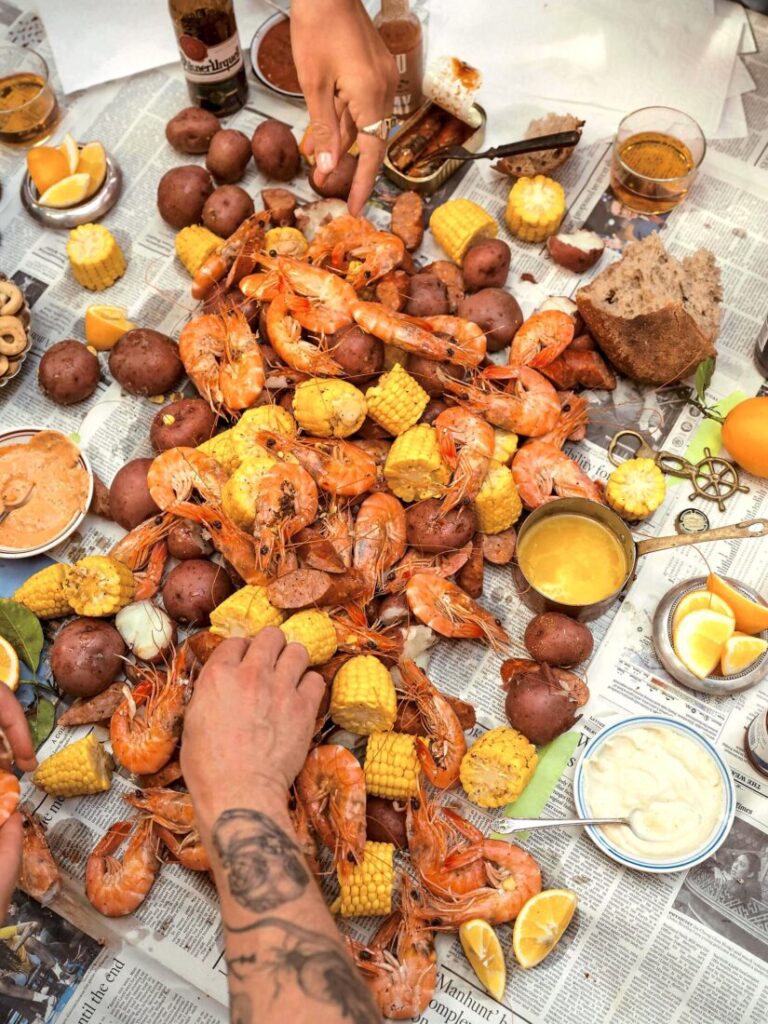
- Overhead (bird’s eye view): This perspective is excellent for flat dishes such as pizzas, salads, or breakfast spreads, allowing for a full showcase of colors and ingredients.
- Eye-level: This angle creates an intimate viewpoint that allows the viewer to feel as if they are part of the experience, ideal for stacks or layers, like burgers and cakes.
- Three-quarters: Shooting from a 45-degree angle often works best for dishes served in bowls, as it captures the texture from the side while showcasing the beautiful top view.
Styling Your Dish
Beyond lighting and angles, the art of food styling plays a pivotal role in food photography. How you plate a dish can make all the difference in its visual appeal. Here are some styling tips:
- Color Harmony: Contrasting colors can enhance vibrancy. Fresh herbs, colorful spices, or unexpected garnishes add visual intrigue.
- Servingware Selection: The plate or bowl you choose should complement the food. A rustic dish might enhance a homemade meal, while elegant tableware might suit gourmet creations.
- Incorporating Props: Use utensils, linens, or fresh ingredients as props to add context and enhance storytelling in your photographs.
By focusing on these essential techniques—choosing the right gear, experimenting with angles, and styling your dish—you can elevate your food photography skills to new heights. Understanding how light, composition, and storytelling work together will undoubtedly help capture the true essence of your favorite dishes. As we continue to explore this captivating subject, we’ll dive deeper into more advanced techniques and tips for making your food photography shine.
The Art of Food Photography: Tips for Capturing Your Favorite Dishes
Delving deeper into the realm of food photography requires more than just a keen eye; it necessitates an understanding of various elements that contribute to mesmerizing food images. As you learn to capture the essence of your favorite dishes, it’s vital to explore different aspects such as lighting, composition, and styling. These components can transform an ordinary meal into an extraordinary visual feast that tantalizes the viewer’s senses.
One of the most crucial factors in food photography is lighting. Natural light often creates the most appealing images, showcasing the food’s natural colors and textures. Shooting near a window with soft, diffused light can give your photographs a warm and inviting ambiance. Experiment with shadows and highlights to add depth, while keeping in mind that harsh light can lead to unflattering contrasts.
Another key aspect is the composition of your shot. Consider using the rule of thirds, where your subject is placed off-center, creating a more dynamic and engaging photograph. Incorporate leading lines and framing techniques to draw the viewer’s eye toward the dish, enhancing its presentation. Feel free to play around with different angles, as overhead shots can convey a laid-back vibe while side angles may highlight the dish’s three-dimensional qualities.
| Category | Benefits |
|---|---|
| Lighting Techniques | Enhances texture and color representation, creating inviting and appealing images. |
| Composition Strategies | Utilizes framing and positioning to create emphasis, leading to visually striking photographs. |
In addition to lighting and composition, the styling of your food can elevate your photography skills significantly. Consider garnishes and props to enhance the aesthetic appeal. A well-placed sprig of herbs can add color, while interesting tableware can provide context and background to the dish. It’s important to represent the food in a way that reflects its flavors and ingredients, making the photograph tell a story about the dish itself.
Finally, the choice of background can either complement or distract from your culinary subject. A neutral or textured background will often allow the food to stand out more prominently, emphasizing its allure. When exploring new backgrounds, remember that simple often works best, allowing the dish to take center stage and entice your audience visually.
DIVE DEEPER: Click here to discover the world of virtual collectibles and NFTs
Illuminating Your Culinary Creations
Lighting is one of the most critical elements in food photography. It can evoke different emotions and enhance the appetizing qualities of your dish. Understanding how to manipulate light can significantly improve your results, whether you’re shooting indoors or outdoors. Here are some tips to master lighting in your food photography:
Natural Light vs. Artificial Light
While both natural and artificial light sources can yield beautiful food images, they each have unique properties. Natural light is often preferred, owing to its soft, flattering qualities. Here’s how to utilize it effectively:
- Utilize Window Light: Position your dish near a window, preferably during the golden hour (shortly after sunrise or before sunset) when the light is warm and diffused. Avoid harsh midday sunlight that can create unwanted shadows.
- Reflectors: Use white reflectors or even a white sheet of paper to bounce light onto your dish, filling in shadows and enhancing textures without losing the essence of natural light.
Artificial lighting can be advantageous, especially in low-light environments. Consider using:
- Softboxes: These provide diffused light that’s similar to natural light, reducing harsh shadows.
- LED Lights: Adjustable LED panels can help create the necessary ambiance, allowing for a controlled and consistent environment.
Understanding White Balance
Colors can appear differently depending on the light source. This is where understanding white balance becomes essential. If your color balance is off, your greens may appear yellowish, and whites may look bluish. Here’s how to maintain accurate color:
- Manual Settings: When photographing in manual mode, adjust the white balance setting based on your lighting conditions to achieve the most accurate color representation.
- Post-Processing Tools: Use editing software like Adobe Lightroom or Photoshop to fine-tune the white balance after the shot, ensuring your dish looks as delicious as it tastes.
The Importance of Composition
Composition can make or break a food photograph. Understanding how to arrange your elements will create a visually appealing and engaging image. Here are some composition techniques to consider:
- Rule of Thirds: Divide your frame into a grid of nine equal parts and position key elements along these lines or at their intersections. This technique adds balance and interest to your photo.
- Leading Lines: Use natural lines in the image, such as forks, cutlery, or even ingredients, to draw the viewer’s eye toward the focal point—the dish itself.
- Negative Space: Don’t be afraid of empty space. Sometimes, less is more; negative space can create a sense of elegance and allow your dish to stand out.
This understanding of light, white balance, and composition will elevate your food photography, enabling you to capture the richness of flavors and presentation. As you continue to hone your skills, remember that practice and experimentation are crucial. Test different setups, adjust lighting, and explore various compositions to find your unique style in food photography. By doing so, you will not only capture stunning images but also tell the story behind each dish, inviting others to share in the culinary experience.
DISCOVER MORE: Click here
Concluding Thoughts on Food Photography
As we have explored throughout this article, the art of food photography transcends simply snapping pictures of meals; it’s about capturing the essence and story behind each dish. By mastering essential elements such as lighting, white balance, and composition, you can significantly enhance your photography skills and create mouthwatering images that resonate with viewers. Remember, the critical role of effective lighting cannot be overstated; whether you prefer the enchanting quality of natural light or the control offered by artificial sources, perfecting your lighting techniques is fundamental to successful food photography.
Additionally, a thorough understanding of composition techniques—like the rule of thirds and incorporating negative space—can elevate an ordinary image into an extraordinary one. Experimentation remains vital to your growth; every photograph is an opportunity to learn. Don’t shy away from trying different angles, backgrounds, and props, as they can add depth and intrigue to your food shots.
As you strive to refine your skills, consider sharing your journey on social media platforms such as Instagram or food blogs, where your unique style can inspire others. The world of food photography is always evolving, and engaging with fellow enthusiasts can lead to new insights and techniques. Ultimately, every picture you take is a chance to ignite passion and creativity, turning simple meals into visual celebrations. So grab your camera, ignite your creativity, and let the world savor the beauty of your favorite dishes through your lens!