How Sports Can Stimulate Creativity in Artistic Hobbies
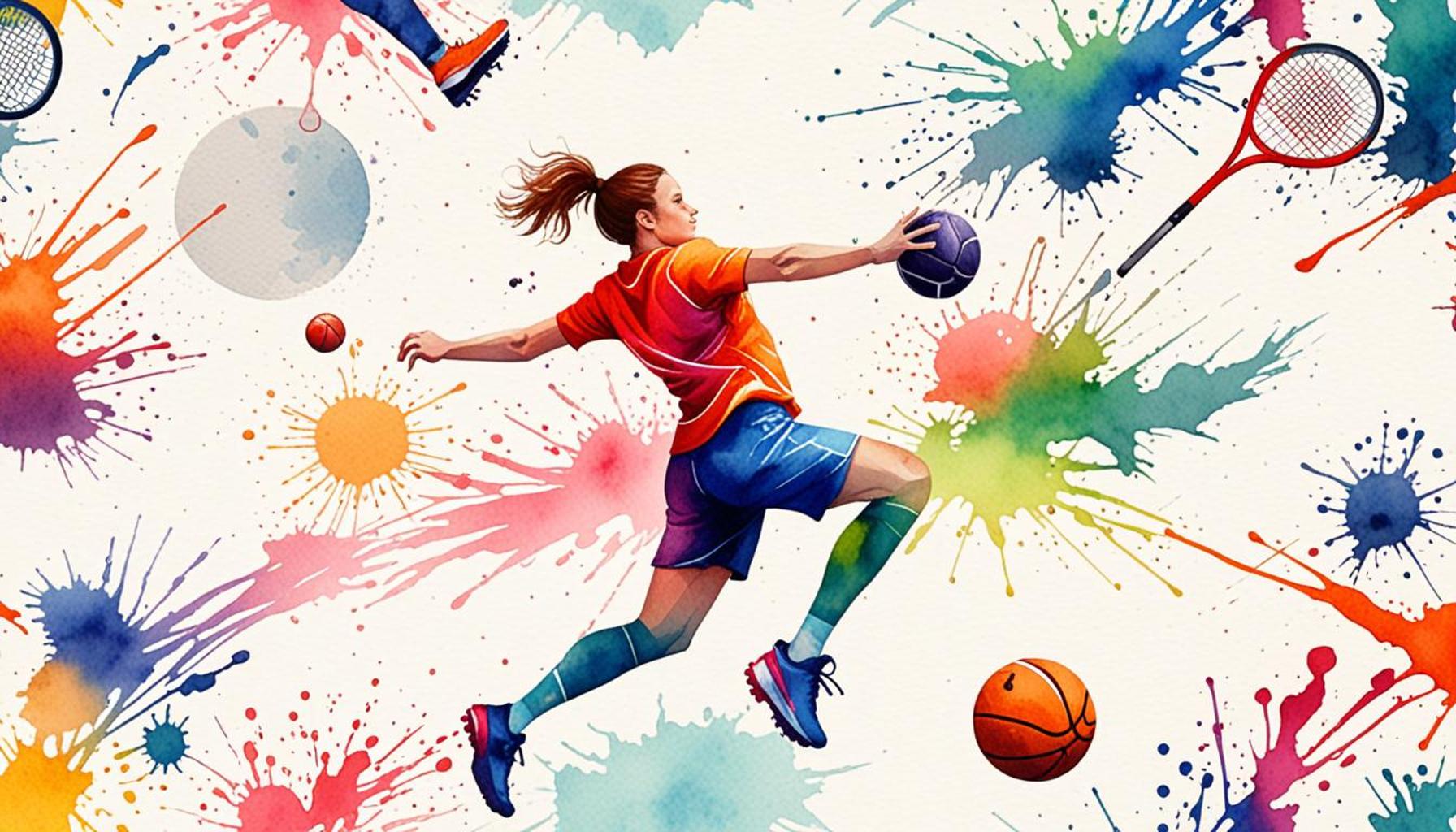
The Creative Synergy Between Athleticism and Artistic Expression
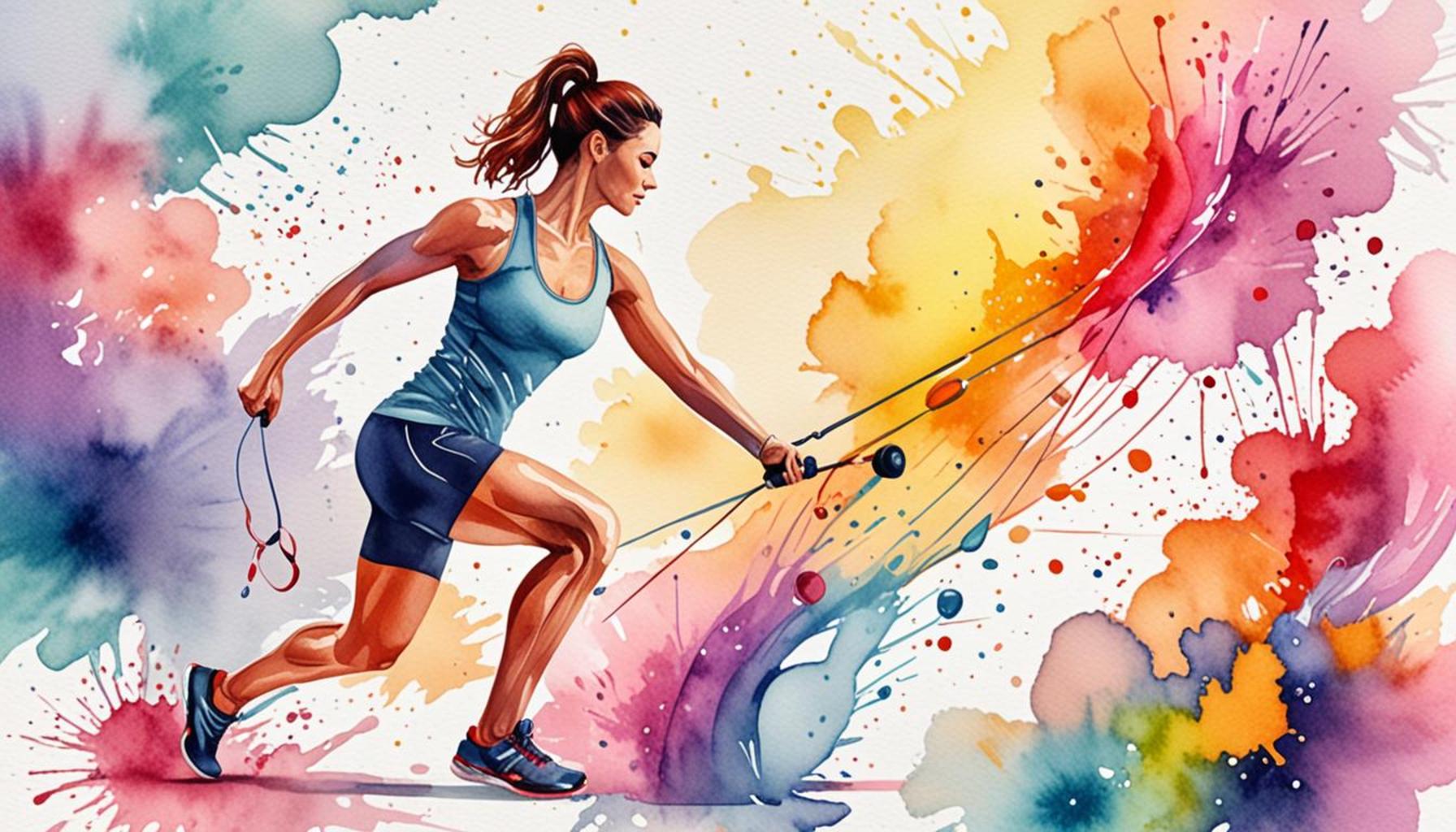
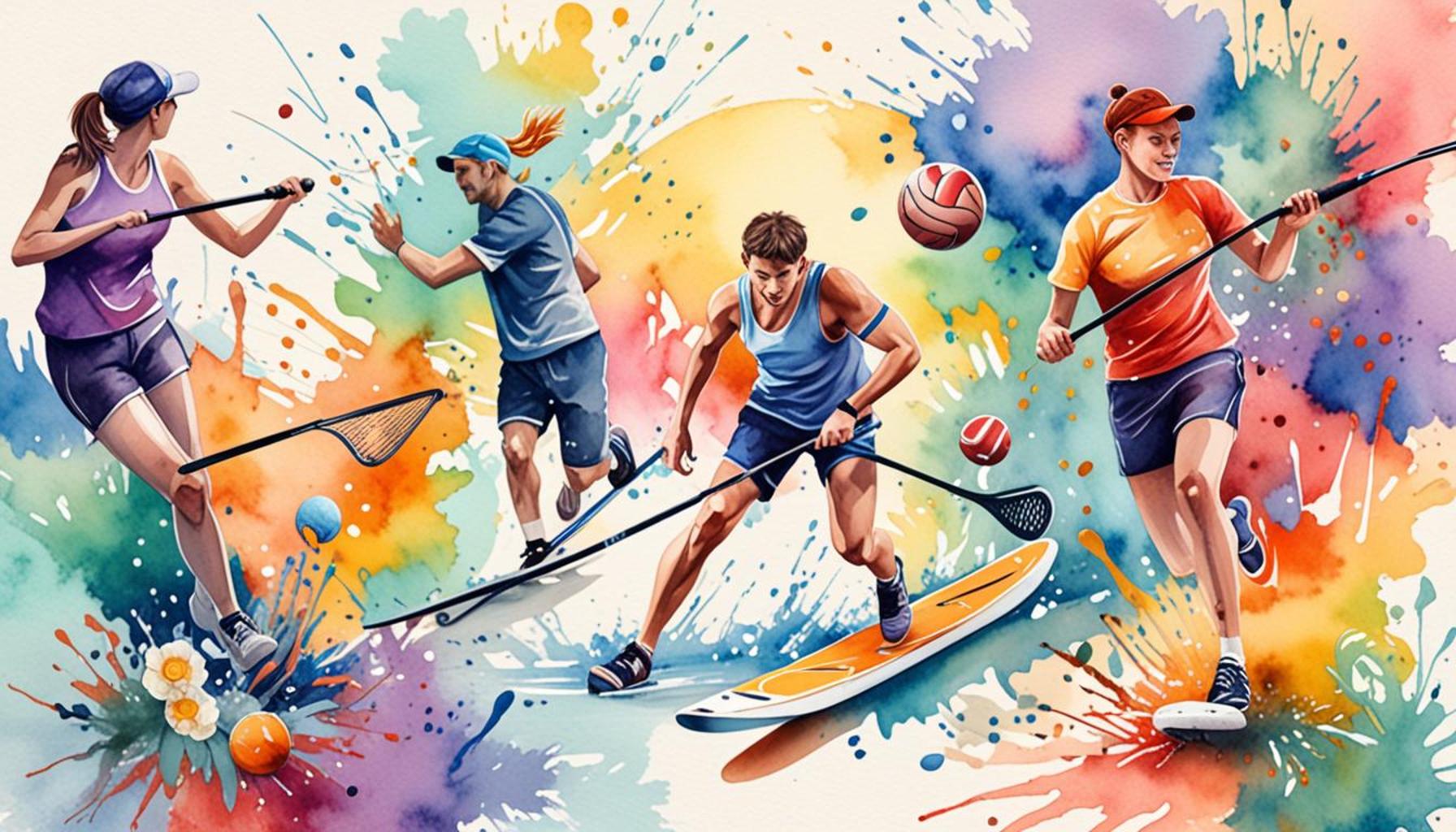
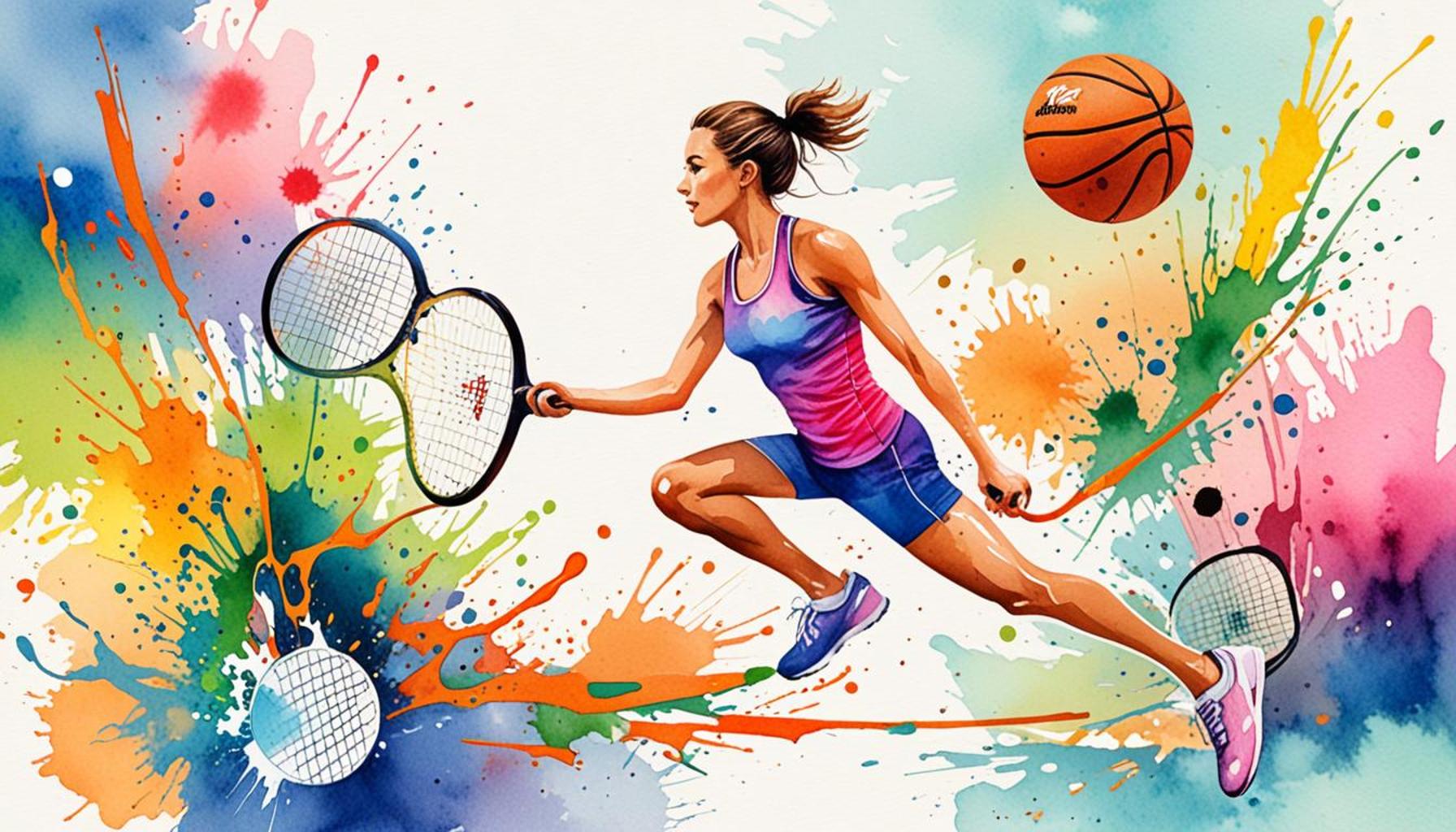
While sports are often associated with competition and physical prowess, they also serve as a fertile ground for creative expression. Engaging in athletic activities can inspire creativity in various artistic domains. For instance, research has shown that the brain’s pathways responsible for creativity are enhanced by physical engagement. This suggests that the very act of playing sports could ignite fresh ideas, unlocking deeper levels of imagination and artistic ability.
Take, for example, the rhythm and flow of a basketball game. The swift movements of players dribbling and passing can be likened to the fluid strokes of a paintbrush on canvas. This dynamic rhythm can inspire painters to capture the action in their artwork or musicians to compose pieces that embody the excitement of the game. Similarly, the discipline required in sports training prepares the mind for the intricacies involved in crafting a musical symphony or writing a compelling narrative.
Enhancing Focus and Engagement
The concentration required to excel in sports is essential for artistic endeavors as well. When athletes train, they hone their ability to focus intensely on their goals and techniques. This heightened focus can directly enhance an artist’s engagement with their craft. For instance, a writer may draw inspiration from the mental resilience displayed by athletes during critical moments of a game, translating that focus into powerful storytelling.
Boosting Mood and Inspiration
Another significant benefit of physical activity is its ability to boost mood. Engaging in sports releases endorphins, neurotransmitters that act as natural mood lifters. When feeling good, individuals are more open to new ideas and creative thoughts. Many successful artists—be it authors, sculptors, or filmmakers—attribute their bursts of inspiration to post-workout euphoria. For example, renowned author Haruki Murakami, who is an avid marathon runner, often mentions how running fuels his creativity and generates ideas for his novels.
Promoting Teamwork and Communication
Participating in team sports cultivates essential communication skills through the need for effective collaboration and strategy. These teamwork dynamics can be mirrored in group art projects, where artists must communicate their visions clearly and constructively collaborate with others. A theater group is a perfect example of this notion; successful productions rely on the seamless interplay between actors, directors, and stage designers, echoing the cooperation found in team sports.
Ultimately, the intersection of movement and imagination offers a valuable avenue for nurturing creativity. By embracing the synergies between sports and artistic activities, aspiring artists can discover the unexpected ways physicality enhances their craft. This exploration is not just about improving performance in art; it is about fostering a holistic approach to creativity that weaves together the physical and the imaginative.
DISCOVER MORE: Click here to dive into the world of outdoor painting
The Connection Between Physical Activity and Creative Thinking
A growing body of research underscores the impactful relationship between physical activity and cognitive function, particularly regarding creative thinking. When athletes engage in rigorous training or competitive play, they stimulate not only their bodies but also their minds. This physical elevation can lead to a heightened state of creativity that translates into various artistic pursuits, from painting to poetry. Notably, a study conducted by the University of Illinois found that individuals who partake in regular physical activity demonstrate enhanced problem-solving skills and improved cognitive flexibility, both crucial for creative expression.
One of the fundamental aspects of creativity is the ability to make connections between seemingly unrelated ideas or concepts. Athletes often develop this skill naturally through their sport. They must analyze opponents’ movements, visualize plays, and adapt strategies on the fly—all while maintaining focus and composure. Such rapid brain activity encourages the formation of neural pathways that enhance creative thinking. For example, a basketball player might notice the fluid movement of teammates on the court and translate that into dance choreography or an expressive mural that captures motion and emotion.
Physical Endurance and Mental Resilience
Physical endurance plays a vital role in ensuring mental resilience. The discipline involved in sports, such as training schedules and goal setting, equips athletes with the fortitude to push through challenges. Such resilience is invaluable in artistic endeavors. Artists often face rejections, creative blocks, and critical feedback that can deter progress. However, the perseverance learned through sports can empower them to overcome these hurdles and continue honing their craft.
Nature of Movement: Inspiration in Motion
Movement itself can be a source of inspiration. The act of engaging in any sport—from running to yoga—kindles creativity through the simple act of changing environments and experiencing different perspectives. An artist might find that a vigorous hike not only elevates the heart rate but also floods their mind with ideas about landscape painting or photography. The sensation of wind against the skin, the sound of rustling leaves, and the thrill of achievement can set the stage for imaginative breakthroughs. Specifically, many authors like Neil Gaiman have spoken about how taking walks—an essential form of physical activity—has helped clarify their ideas and spark new narratives.
Benefits of Combining Sports with Artistic Interests
Integrating sports into one’s creative routine can yield numerous benefits:
- Enhanced Creativity: Varied forms of physical activity can stimulate divergent thinking.
- Improved Focus: Sports can help sharpen concentration, enabling artists to devote more attention to their work.
- Stress Relief: Physical activity reduces anxiety levels, creating a more conducive environment for creativity.
- Increased Energy Levels: Regular exercise boosts stamina, allowing artists to work longer and with greater enthusiasm.
In essence, the dynamic interplay between sports and artistic hobbies can unlock innovative avenues for expression. By understanding the connection between physical engagement and creative output, individuals can embrace a holistic approach that nourishes both body and mind, paving the way for enriched artistic pursuits.
| Category | Key Features |
|---|---|
| Physical Activity | Enhances brain function and fosters inspiration. |
| Team Collaboration | Encourages sharing of ideas and diverse viewpoints. |
Engaging in sports can significantly enrich artistic hobbies by acting as a catalyst for creativity development. When athletes participate in physical activities, it stimulates their brains, leading to improved cognitive functions and a higher propensity for innovative thinking. This direct link between physical health and mental agility underscores how regular engagement in sports can fuel ideas that contribute to various artistic pursuits, from painting to writing.Moreover, teamwork in sports cultivates a collaborative atmosphere, where individuals contribute diverse perspectives, enhancing creative processes. Collaboration strengthens bonds, fostering a sense of community that can lead to groundbreaking artistic projects. Idea exchanges often spark from personal interactions during game strategies or even the simple act of cheering each other on. Therefore, the essence of team spirit not only enhances performance but also serves as a fertile ground for creative collaboration within artistic realms. The interplay between sports and creativity offers a rich tapestry for exploring new forms of artistic expression and idea generation that merit further investigation.
DISCOVER MORE: Click here to enhance your creative space
Collaboration and Team Spirit: Fueling Artistic Innovation
One of the less obvious ways that sports can enhance creativity within artistic hobbies lies in the realm of collaboration. Team sports cultivate a spirit of cooperation that is essential not only on the field or court but also in creative environments. Artists often work in teams—whether in theater, film production, or collaborative art projects—and the ability to communicate effectively and share ideas becomes crucial. Through playing team sports, individuals learn how to effectively express their opinions, listen to others, and integrate diverse ideas, which can lead to innovative artistic concepts. Research has shown that collaboration in creative teams can significantly boost the originality of the outcomes, enriching the creative process.
The Role of Competition in Sparking Creativity
Competition is a core component of many sports and plays a vital role in stimulating creativity. Athletes push their limits in pursuit of excellence, setting benchmarks that drive them to innovate. Similar principles apply to artistic endeavors. The competitive spirit in shows like «American Idol» or «Project Runway» emphasizes how rivalry motivates individuals to think outside the box, resulting in impressive displays of creativity. This competitive edge also manifests in the art world through competitions for grants, exhibitions, and awards, which inspire artists to bring forth their most imaginative works. Engaging in healthy competition, whether directly in sports or indirectly through artistic critique, can challenge individuals to elevate their creative capabilities.
Mind-Body Connection: Harnessing Physical and Mental Synergy
The mind-body connection plays a crucial role in the relationship between sports and creativity. Physical movement can evoke positive emotional states that enhance cognitive processes. For instance, engaging in an intense workout generates endorphins, which can improve mood and reduce stress—factors that directly correlate with heightened creative thought patterns. Practices like yoga and dance emphasize body awareness and mindfulness, equipping individuals with a toolkit for channeling their emotions into their art. Artists like actor and dancer Bob Fosse integrated athleticism into their performances, illustrating how physicality can profoundly impact creative expression.
Expanding Horizons: Experiential Learning through Sports
Participating in different sports can lead to experiential learning, allowing individuals to draw parallels between their athletic experiences and artistic practices. For example, the precision and timing required in sports such as gymnastics or swimming can help artists understand rhythm and movement in their art. An illustrator might find that the technical aspects of a sport inspire their depiction of dynamic figures, while a writer might explore narratives rooted in the competitive landscape of athletics. This cross-pollination of experiences cultivates a rich pool of inspiration, leading to unique interpretations and creations.
Community Engagement and Shared Experiences
Finally, the sense of community fostered by sports offers a supportive backdrop for artistic growth. Many successful artists participate in local sports leagues or community fitness classes, where they can interact with people from various backgrounds and skill levels. This communal environment allows for the exchange of ideas and fosters mutual encouragement. The collaborative storytelling often present in team sports can translate into artistic expressions that reflect diverse perspectives and shared experiences, enriching the cultural fabric of artistic endeavors.
Ultimately, integrating sports into one’s routine can provide a myriad of outlets for creativity. From teamwork and competition to the mind-body connection and community involvement, the benefits of a sports-oriented lifestyle extend far beyond physical fitness, winding their way into the heart of artistic creativity itself.
DISCOVER MORE: Click here to learn about yoga in nature
Conclusion: Unleashing Creative Potential through the Synergy of Sports and Art
In summary, the interplay between sports and artistic hobbies reveals a wealth of opportunities for enhancing creativity. As we have explored, the core elements of collaboration and teamwork in sports foster skills that are vital for successful artistic partnerships. The competitive spirit inherent in athletics not only drives individuals to innovate but also propels artists to expand their creative boundaries. Moreover, the profound mind-body connection nurtures emotional well-being, which serves as a catalyst for artistic expression.
Engaging in sports exposes individuals to experiential learning, enriching their creative toolkit by introducing concepts of timing, precision, and rhythm that can profoundly influence their artistic endeavors. Furthermore, the sense of community found in local sports fosters shared experiences that translate into authentic artistic expressions, reflecting diverse narratives and perspectives.
Ultimately, integrating sports into one’s lifestyle does not merely promote physical health; it opens doors to a dynamic creative realm. By embracing the multifaceted influence of sports, artists can unlock new dimensions of inspiration, infusing their work with vitality and innovation. As we continue to bridge the gap between physical and artistic pursuits, we invite both athletes and artists to explore the enriching possibilities that lie within this unique intersection, ultimately leading to greater creative achievements and a more vibrant artistic landscape.

Linda Carter
Linda Carter is a writer and creative hobbies expert specializing in crafting, DIY projects, and artistic exploration. With extensive experience helping individuals discover their creative potential and bring their ideas to life, Linda shares her knowledge on our platform. Her goal is to empower readers with practical tips, inspiring ideas, and step-by-step strategies for success in the world of creative hobbies.