Creative Gardening: Transforming Outdoor Spaces into Living Works of Art
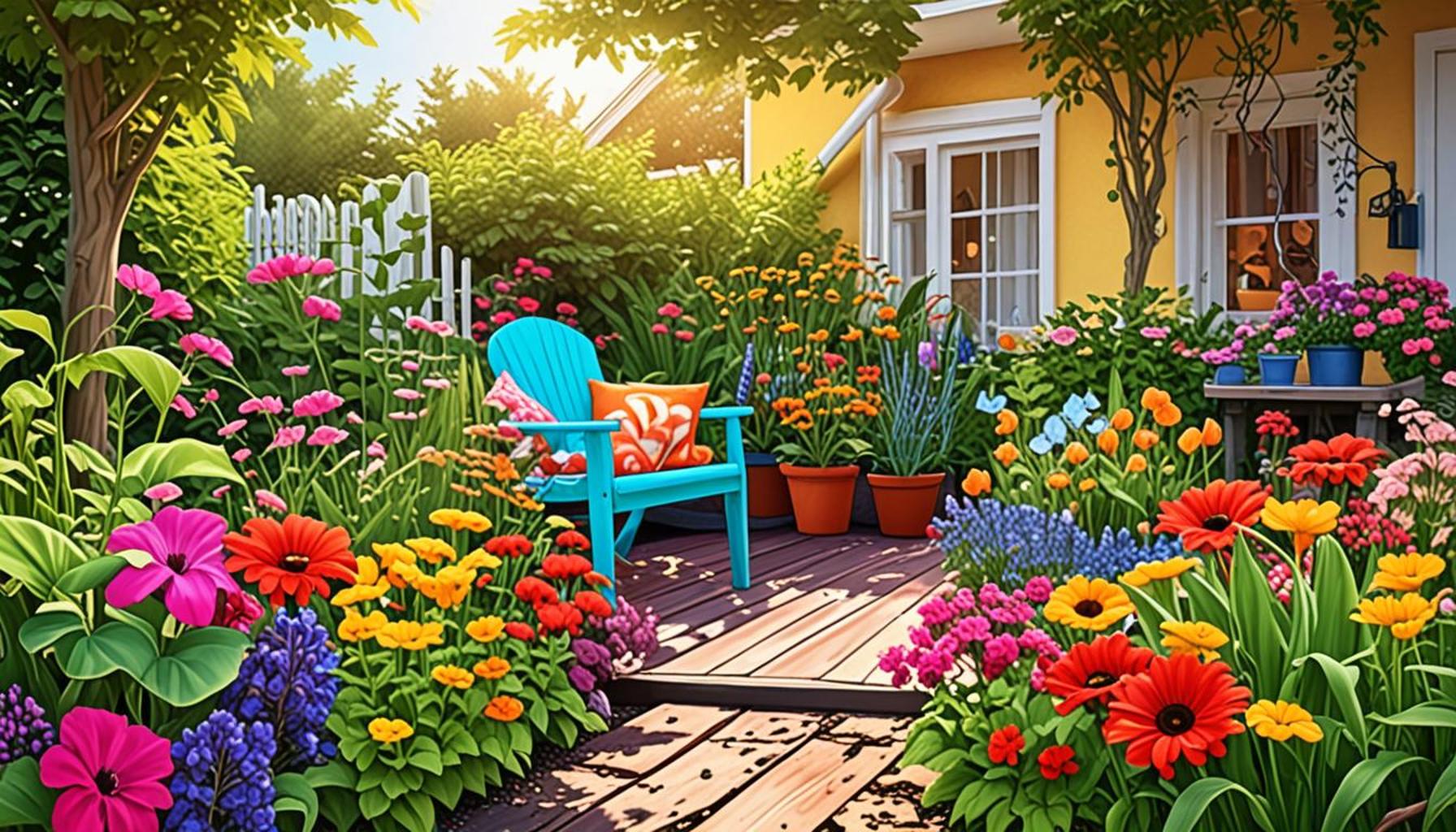
Exploring the Artistry of Nature
Imagine walking into a garden that feels like a seamless blend of nature and creativity. The beauty of creative gardening lies in its ability to transform ordinary outdoor spaces into extraordinary living artworks. From vibrant flower beds to unique garden sculptures, each element tells a story of vision, design, and inspiration.
So, what makes creative gardening so captivating? Here are some key features:
- Innovative Design: Creative gardeners often blend various plant species, colors, and textures, aiming for stunning visual effects. For instance, pairing bright marigolds with the soft lavender hues of ornamental grasses not only attracts pollinators but also creates eye-catching contrasts that change with the seasons.
- Artistic Elements: Incorporating sculptures and water features into the garden can elevate its aesthetic appeal. A whimsical metal owl perched atop a flowerbed or a gently bubbling fountain can become focal points that draw visitors’ eyes, inviting them to linger longer in the serene environment.
- Functional Spaces: Beyond beauty, creative gardens also embrace functionality. Creating areas designated for relaxation, such as a cozy gazebo surrounded by fragrant herbs, or transforming part of the garden into a productive vegetable patch can beautifully blend artistry with utility.
Across the United States, homeowners are redefining their gardens. They are drawing inspiration not only from nature but also from modern art movements, historical architectural styles, and even ecological considerations. With the growing interest in sustainability, many are incorporating native plant species that require less water and maintenance, which enhances biodiversity while promoting a fresh, vibrant look.
Engaging in this creative landscape allows gardens to become a true extension of one’s personality. For instance, a garden designed in a Mediterranean style with terracotta pots overflowing with colorful geraniums can reveal a homeowner’s love for the sun-soaked coasts of Southern Europe. Alternatively, a sleek, minimalist space featuring monochromatic plantings and clean lines may reflect a modern aesthetic and a desire for simplicity.
As you delve into the world of creative gardening, envision your outdoor space as a blank canvas. With boundless possibilities, the journey of cultivating a garden can be a remarkable process of self-expression. From community gardens bursting with local pride to personal sanctuaries providing escape and solace, the opportunities to harness that creative energy are endless. Explore, experiment, and soon you might find your backyard blossoming into a living masterpiece that you, and those around you, can cherish for years to come.
DIVE DEEPER: Click here to uncover the emotional value of collecting
Embracing Nature with Imagination
In the journey of creative gardening, imagination meets nature to create a sanctuary that reflects the gardener’s uniqueness. This approach not only ranges from selecting the right flora to designing an engaging layout, but also embraces the ecological footprint, ensuring that art and nature coexist harmoniously. Understanding the underlying principles of this artistry can guide anyone, whether novice or seasoned gardener, towards transforming their landscapes into veritable galleries of nature.
The canvas of a garden can be as expansive or as intimate as desired, allowing for personalization at every level. Here are some fundamental concepts that can bring a unique touch to any outdoor space:
- Color Schemes: Integrating a palette of color is essential in creative gardening. Using color wheel principles can help gardeners choose complementary plants. For example, blue and orange flowers paired together create a stunning visual dynamic, adding energy to the garden landscape.
- Layering Textures: Just as a painting uses different brush strokes, a garden employs plants with varied textures. Mixing feathery ferns with broad-leafed species can create depth and interest throughout the garden, encouraging exploration and engagement.
- Seasonal Variation: One of the most captivating aspects of gardening is the seasonal shift. Planning for year-round interest by planting perennials, annuals, and evergreens ensures that the garden surprises and delights throughout all four seasons.
Additionally, the concept of edible landscaping is gaining momentum, allowing gardeners to marry beauty with practicality. Imagine a garden where luscious, cascading tomato vines twine amidst vibrant sunflowers or where dwarf fruit trees flourish alongside ornamental blooms. This multifaceted approach not only enhances aesthetics but also provides fresh produce, enriching both the garden and the gardener’s lifestyle.
Moreover, incorporating artistic gardening elements can elevate the overall experience. Handcrafted birdhouses, mosaic pathways, or colorful garden stakes are modes of self-expression that can also serve ecological purposes, such as attracting pollinators. These details enhance the narrative of the garden, inviting guests to interpret the creativity imbued within each design choice.
Community involvement is also crucial in crafting exceptional creative gardens. Neighborhood initiatives to plant public areas not only beautify the surroundings but also encourage connectivity among residents. Whether it’s a shared vegetable plot or a flower bed, these collaborative spaces foster community spirit while promoting an appreciation for local flora.
Creative gardening is not just about aesthetics; it is an evolving relationship between humans and nature, fostering ecological awareness and enriching lives. By engaging with this form of artistry, individuals can cultivate not only plants but also inspiration, transforming their outdoor spaces into a tapestry of creativity. The potential for expression is limitless, promising a journey filled with joy, discovery, and the splendor of nature’s artistry.
| Advantages | Details |
|---|---|
| Enhanced Aesthetic Appeal | Creative gardening techniques such as vertical gardens or artistic plant arrangements turn ordinary outdoor spaces into visually stunning landscapes that express personal style. |
| Environmental Benefits | Gardens designed creatively contribute to biodiversity, improve air quality, and promote sustainability, making them vital for ecological balance. |
| Increased Property Value | Well-designed outdoor spaces not only elevate personal enjoyment but also significantly enhance property value, attracting potential buyers. |
| Therapeutic Effects | Gardening fosters mental well-being; engaging with nature through creative designs can reduce stress and elevate mood. |
The realm of creative gardening offers endless possibilities for transforming outdoor spaces into captivating landscapes. Artistic garden design not only enhances the aesthetic appeal of a venue but also serves as a canvas for expressing creativity. Techniques such as raised beds, unique plant combinations, and creative landscaping can render an ordinary space extraordinary.Moreover, these gardens play a crucial role in environmental preservation. By integrating native plants and sustainable materials, creative gardening not only promotes biodiversity but also aids in water conservation and soil health. This approach is not merely about beauty—it’s about creating functional ecosystems.Investing in a beautifully designed garden has tangible benefits on property value as well, with well-kept landscapes attracting higher offers. This trend in outdoor beautification is rapidly gaining traction, reflecting a collective appreciation for artful living spaces. Additionally, the therapeutic effects of gardening are profound, offering a peaceful retreat from daily chaos and promoting mental health benefits. Creative gardening is undoubtedly an exciting avenue for both art lovers and nature enthusiasts, encouraging deeper exploration into this remarkable technique for transforming living spaces.
DIVE DEEPER: Click here to discover the magic of outdoor crafts
Innovative Techniques and Sustainable Practices
As we delve deeper into the realm of creative gardening, innovative techniques and sustainable practices emerge as pivotal components in creating stunning outdoor spaces. With the rise of environmental consciousness, gardeners have begun to adopt methods that not only beautify their surroundings but also preserve the natural ecosystem.
A key practice gaining traction is vertical gardening. This technique utilizes limited space effectively by encouraging vertical growth of plants. Ideal for urban settings, where space is often at a premium, vertical gardens can be established using various structures, from wall-mounted planters to trellises. By layering plants vertically, gardeners can create «living walls» that offer both aesthetic appeal and improved air quality, reducing urban heat and enhancing biodiversity.
Another remarkable aspect of creative gardening is the incorporation of companion planting. This ancient practice involves pairing plants that benefit each other, such as the classic example of planting marigolds with vegetables. Marigolds can deter pest infestations, while certain vegetables contribute to soil vitality through their root systems. Such symbiotic relationships exemplify how a thoughtful arrangement of plants can form a cohesive ecosystem, resulting in a more productive and visually intriguing garden.
The concept of garden art installations cannot be overlooked. Sculptures or mosaic designs that intermingle with plants create dynamic focal points in a garden. These works of art invite curiosity and encourage visitors to engage with the landscape on different levels. Artists often use recycled materials, adding a layer of sustainability to their creations that resonates with the principles of reusing and reducing waste. Consider incorporating glass stones or driftwood to complement flowering plants, creating an intriguing dialogue between the artful and the organic.
Water features represent another dimension of creative gardening, offering a soothing auditory and visual experience. From small ponds to cascading waterfalls, water elements can attract wildlife such as birds and butterflies, further enriching the garden’s atmosphere. Furthermore, implementing rainwater harvesting systems ensures that these features are not only artistic but functional. By collecting rainwater for irrigation, gardeners can support sustainable practices while enjoying the tranquil benefits of flowing water.
Moreover, the use of native plants in creative gardening is pivotal. Native flora requires less maintenance and promotes local wildlife, making them an ideal choice for eco-conscious gardeners. For instance, planting species native to the midwestern United States, such as coneflowers and black-eyed Susans, supports local pollinators while providing natural beauty. These plants are well adapted to the regional climate, thus requiring fewer watering and fertilization efforts, which aligns with sustainable gardening principles.
Cultivating a creative garden can also lead to educational opportunities for individuals and families. Workshops and local garden clubs provide platforms for sharing knowledge around organic gardening, permaculture principles, and the importance of biodiversity. These communal efforts foster a sense of belonging and a shared appreciation for our environment, igniting a passion for creative gardening beyond one’s own backyard.
In essence, the innovations and sustainable techniques crucial to creative gardening not only enhance the visual appeal of outdoor spaces but also contribute to a healthier planet. As gardeners harness their creativity in harmony with ecological principles, they unveil a deeper connection to nature, transforming their plots into living works of art that invite awe and appreciation from all who encounter them.
DISCOVER MORE: Click here to dive deeper
Conclusion
In conclusion, creative gardening transcends mere aesthetics, evolving outdoor spaces into vibrant reflections of artistry and ecological integrity. By embracing innovative techniques such as vertical gardening, gardeners not only maximize limited space but also contribute to the urban landscape’s vitality. The practice of companion planting further exemplifies how the synergy between flora can lead to healthier gardens and sustainable ecosystems.
Moreover, the integration of garden art installations and serene water features cultivates an atmosphere of creativity and tranquility, inviting individuals to experience nature in compelling new ways. As the interest in using native plants grows, gardeners can create biodiverse environments that attract pollinators and support local wildlife, aligning perfectly with the ethos of sustainability.
Ultimately, the journey into creative gardening is not just about beautifying personal or community spaces; it’s about fostering a deeper connection between people and the earth. With ongoing educational opportunities and community engagements, we can inspire passion and awareness for gardening as both a personal endeavor and a collective responsibility.
As more individuals adopt these holistic approaches, our landscapes can transform into living works of art, offering not just aesthetic pleasure but also a commitment to a healthier planet. By cultivating creativity and respect for nature, we can ensure that our outdoor spaces not only survive but thrive, serving as a testament to our shared love for the environment.

Linda Carter
Linda Carter is a writer and creative hobbies expert specializing in crafting, DIY projects, and artistic exploration. With extensive experience helping individuals discover their creative potential and bring their ideas to life, Linda shares her knowledge on our platform. Her goal is to empower readers with practical tips, inspiring ideas, and step-by-step strategies for success in the world of creative hobbies.