Birdwatching: A Creative Hobby that Connects with Nature
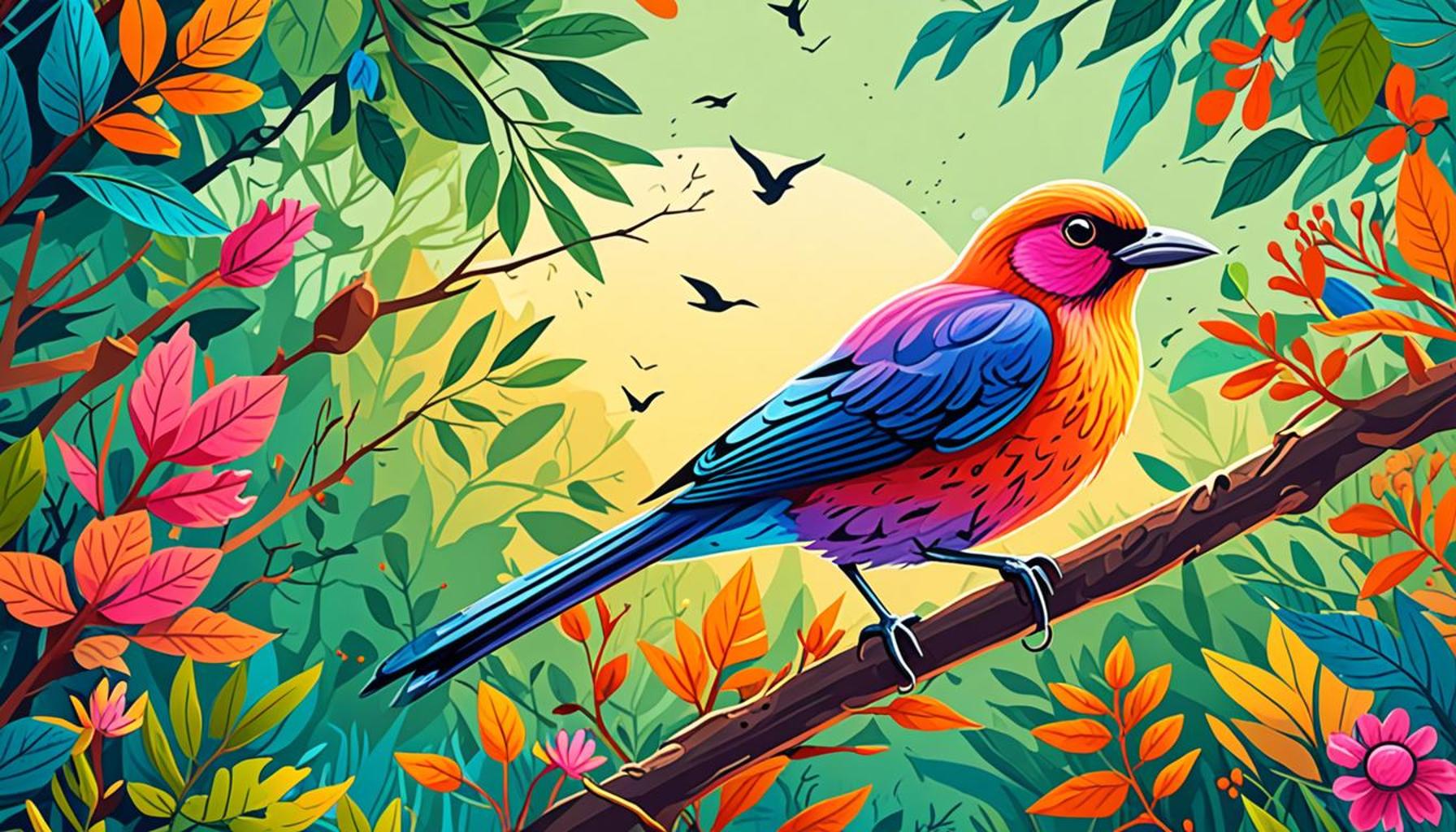
Discover the Joy of Birdwatching
Engaging with nature has never been easier or more fulfilling than through the art of birdwatching. This creative hobby allows enthusiasts to immerse themselves in the beauty of the natural world while cultivating patience, observation skills, and appreciation for wildlife. With over 900 bird species found across the United States, every outing presents a chance for discovery. Birdwatching can transform a quiet walk into an adventure filled with curiosity and wonder.
Why Birdwatching Appeals to Many
Birdwatching isn’t just for seasoned ornithologists; it appeals to a wide audience for various reasons, including:
- Accessibility: Birdwatching can be practiced in backyards, parks, and nature reserves. For example, many people find joy in observing your local chickadees or cardinals, turning an ordinary park visit into an extraordinary experience.
- Community: Joining local birdwatching groups fosters camaraderie and shared experiences. Groups such as the Audubon Society not only offer organized outings but also provide resources for those looking to deepen their knowledge.
- Educational Value: It provides opportunities to learn about different species, their habitats, and migratory patterns. Engaging with field guides helps birdwatchers identify specific birds, understand their behavior, and even track migration seasons, which can be an exhilarating endeavor.
Moreover, birdwatchers enjoy unique benefits that extend beyond the simple act of watching birds. Studies indicate that spending time outdoors is linked to improved mental health and reduced stress levels, making birdwatching a restorative pastime. Not only does it promote mindfulness, but it also encourages individuals to step outside their daily routines and engage with their surroundings, enhancing overall well-being.
Tools for Your Birdwatching Journey
To get started on your birdwatching adventure, consider the essential tools:
- Binoculars: A good pair can enhance your viewing experience dramatically. Consider models with a magnification of 8×42 for a perfect balance of clarity and field of view, especially suitable for spotting birds in wooded areas.
- Field Guides: These help identify birds by appearance, song, and habitat. Many birdwatchers prefer guides with vivid photographs and detailed descriptions, such as the «National Geographic Field Guide to the Birds of North America.»
- Journals: Documenting your sightings enriches the experience and deepens your understanding. Keeping notes on behaviors or environments can reveal patterns over time, making every outing a unique learning opportunity.
Birdwatching not only ignites creativity but also fosters a meaningful connection with the environment. Whether you’re a novice or an experienced observer, exploring the avian world allows for insight into ecological balances and the importance of conservation. Join the movement and discover the captivating world of our avian friends waiting just outside your door!
DIVE DEEPER: Click here to discover innovative cooking techniques
Birdwatching: The Perfect Blend of Adventure and Observation
Birdwatching is more than just a leisurely pastime; it’s an immersive experience that invites you to explore the intricate dance of nature. As you venture into the wild, the rustle of leaves may herald the arrival of a colorful woodpecker, or the flutter of wings might signal the presence of a majestic hawk. Each moment spent watching birds fosters a deeper connection to the ecosystem, highlighting the importance of conservation and awareness of the various habitats these creatures call home.
Understanding Bird Behavior
One of the most intriguing aspects of birdwatching is the opportunity to observe and understand the behavior of different species. Each bird has unique habits that are fascinating to study, and this creates an expansive field of knowledge just waiting to be explored. For instance:
- Migration Patterns: Many species migrate thousands of miles between breeding and wintering grounds. Observing their journey can reveal patterns influenced by climate and environmental changes.
- Nesting Habits: Watching birds build their nests and care for their young provides insight into their life cycles. This is especially notable with species like the American Robin, recognized for its distinct nesting behavior.
- Feeding Techniques: Birds exhibit varied feeding techniques depending on their species and environment. From the acrobatic antics of a Red-breasted Nuthatch to the elaborate dives of a Kingfisher, there is much to learn about their diets and hunting strategies.
By keenly observing these behaviors, birdwatchers can cultivate a unique appreciation for wildlife and develop a personal connection with the intricate web of life surrounding them. Each new encounter can serve as a lesson, prompting questions about the ecological roles these birds play, from pollination to pest control.
Exploring Diverse Habitats
United States birdwatching enthusiasts have the advantage of diverse habitats across the country, making it a rich playground for exploration. Whether it’s the wetlands of Florida, the deserts of the Southwest, or the forests of the Pacific Northwest, each region boasts unique bird populations. For example:
- Wetlands: These areas are crucial for migratory waterfowl like the Snowy Egret and American Coot, providing breeding and feeding grounds.
- Mountainous Regions: Birds such as the Mountain Bluebird thrive in the elevated terrains and rugged landscapes.
- Urban Areas: Surprisingly, cities are not devoid of birdlife. Species such as Peregrine Falcons and Sparrows have adapted to urban settings, offering a fascinating contrast between nature and urban development.
Your birdwatching journey can lead you to discover local gems where peaceful observation can enhance your understanding of avian life while encouraging responsible engagement with nature. No matter where you live, there’s bound to be a birdwatching opportunity right in your own backyard or nearby park, just waiting to unveil the wonders of the avian world.
Exploring the Benefits of Birdwatching
Birdwatching is not just a delightful pastime; it offers a myriad of benefits for the mind, body, and spirit. Engaging with nature through this creative hobby allows individuals to experience a sense of peace and tranquility that modern life often disrupts. As one observes different bird species, they develop a stronger connection to the environment, becoming more aware of local ecosystems and biodiversity.Additionally, birdwatching fosters community engagement. Many enthusiasts join local clubs, participate in events, and even travel to various habitats for bird-watching tours, creating friendships and shared experiences. This social aspect can enhance mental health and provide a sense of belonging, particularly for those who may feel isolated.Moreover, birdwatching promotes physical activity. Whether it’s a stroll through a nearby park or an expedition into the wilderness, birders are encouraged to be active, enhancing their cardiovascular health and overall well-being. It combines exercise with education and leisure, making it an ideal hobby for people of all ages.To illustrate these benefits more clearly, we can take a closer look at some of the specific advantages that birdwatching brings to individuals and communities.
| Category | Details |
|---|---|
| Health & Well-being | Birdwatching encourages outdoor activity, leading to improved physical fitness and mental clarity. |
| Environmental Awareness | Engaging with birdwatching cultivates a greater understanding and appreciation of ecosystem dynamics and conservation efforts. |
| Social Connection | Joining birdwatching clubs fosters friendships and shared experiences among like-minded individuals. |
| Stress Relief | Spending time outdoors while observing birds can significantly reduce stress levels and improve mood. |
Birdwatching is truly a fascinating and fulfilling hobby that seamlessly blends creativity with nature, urging participants to delve deeper into the world around them. Each expedition not only unveils the beauty of avian life but also enriches personal well-being and fosters a community of enthusiasts dedicated to protecting our natural world.
DIVE DEEPER: Click here to discover unique collectibles
Birdwatching Tools: Enhancing the Experience
To fully immerse oneself in the world of birdwatching, having the right tools can be a game-changer. A few essential items can help elevate the experience significantly. One of the most important tools for any birdwatcher is a good pair of binoculars. The clarity and magnification level can help you spot distant birds without disturbing their natural behavior. In the United States, binoculars that offer at least a 10x magnification and a wide field of view are particularly popular among enthusiasts.
Additionally, a reliable field guide or a bird identification app can enrich your birdwatching experience. These resources provide detailed information on various bird species, including their calls, habitats, and distinguishing features. Many birdwatchers find that having a guidebook handy can enhance both the learning process and the excitement of spotting a rare bird. Apps like Merlin Bird ID or iBird provide interactive identification tools, making it easier to connect with the avian world around you.
The Social Aspect of Birdwatching
While birdwatching is often perceived as a solitary activity, it can also be a communal experience. Engaging with local birding groups can introduce you to fellow enthusiasts who share a passion for the hobby. These communities often organize field trips, bird counts, and workshops that benefit both novice and seasoned birdwatchers. Moreover, they provide opportunities for knowledge exchange, where tips and findings can be shared, fostering a collaborative spirit.
Online platforms have further expanded the social landscape of birdwatching. Websites and social media groups dedicated to avian observation allow participants to post sightings, share photographs, and discuss bird behavior. Resources like eBird, a project by the Cornell Lab of Ornithology, encourage users to document their birdwatching experiences. This citizen science initiative not only promotes community involvement but also contributes valuable data to ornithologists studying bird populations and migration patterns.
Birdwatching and Conservation
Engaging in birdwatching also fosters strong conservation values. Many birdwatchers become advocates for preserving the natural habitats that are crucial for avian survival. This can lead to a greater understanding of broader environmental issues such as habitat destruction, climate change, and the importance of biodiversity. Groups such as the National Audubon Society and BirdLife International work tirelessly to protect bird habitats and promote conservation efforts, often relying on passionate birdwatchers to support and champion their causes.
By participating in birdwatching activities, such as local bird counts or habitat restoration projects, individuals can play an active role in conservation. These experiences often open eyes to the fragility of various ecosystems, highlighting how human actions can directly impact avian life. As citizens engage with nature, they become more aware of their role in protecting wildlife and maintaining ecological balance.
In essence, birdwatching serves as a bridge connecting individuals not only with the avian world but also with each other and the broader environment. It is a creative hobby that instills a sense of responsibility and encourages ongoing exploration of nature’s wonders.
DISCOVER: Click here to dive deeper
Conclusion: Embracing the Avian Adventure
In summary, birdwatching is not merely a pastime; it is a creative hobby that fosters a profound connection with nature while enriching our understanding of the environment. As we equip ourselves with the necessary tools, such as binoculars and bird identification resources, our ability to appreciate and engage with these magnificent creatures deepens. Whether wandering through a local park or embarking on a road trip to a renowned birdwatching destination, each experience offers a unique perspective into the lives of birds and their habitats.
Moreover, the social aspect of birdwatching unites enthusiasts across generations and communities, cultivating an encouraging atmosphere for sharing knowledge and experiences. Engaging with online platforms and local groups not only enhances our birdwatching journey but also reinforces our commitment to conservation efforts aimed at safeguarding the environments that support these avian species. Participation in activities like habitat restoration and population monitoring allows individuals to become active stewards of nature, fostering a sense of responsibility for the planet.
Ultimately, birdwatching is an invitation to embrace the beauty of the natural world and a call to protect it. As you take to the trails, equipped with your binoculars and field guides, let each sighting inspire curiosity and advocacy. Delve deeper into this remarkable hobby, and you may discover not only the diverse avian life that surrounds us but also a renewed appreciation for our intricate role in the ecosystem.

Linda Carter
Linda Carter is a writer and creative hobbies expert specializing in crafting, DIY projects, and artistic exploration. With extensive experience helping individuals discover their creative potential and bring their ideas to life, Linda shares her knowledge on our platform. Her goal is to empower readers with practical tips, inspiring ideas, and step-by-step strategies for success in the world of creative hobbies.