Sustainable Cuisine: Practices for Cooking with Local and Organic Ingredients
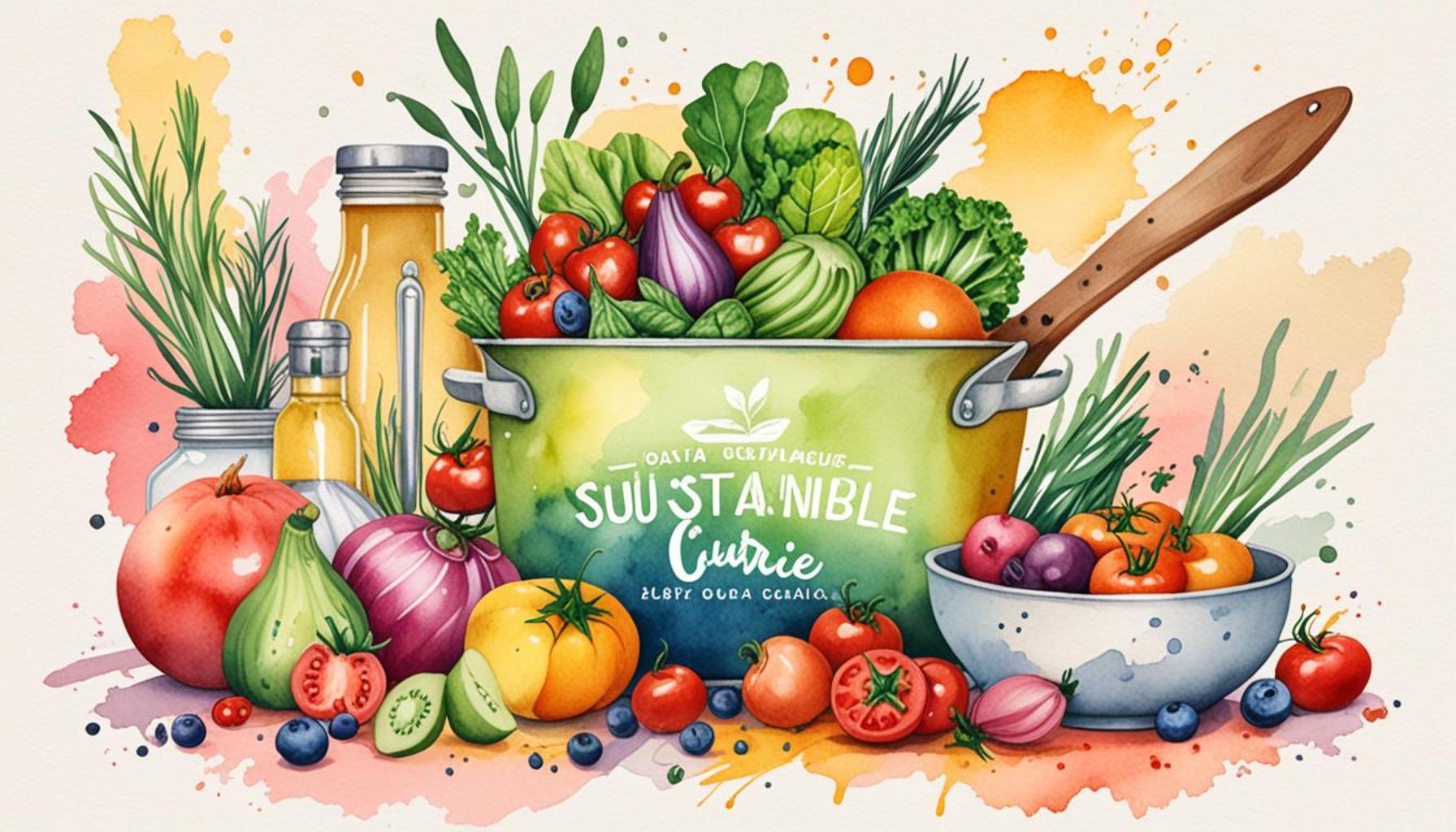
Understanding the Essence of Sustainable Cuisine
As our understanding of environmental challenges deepens, the culinary world is undergoing a significant transformation. Emphasizing sustainability in cuisine encourages mindful cooking practices that are not only beneficial for health and well-being but also vital for preserving the planet’s resources for future generations. Embracing the principles of sustainable cuisine creates not just meals but meaningful connections between people, their food, and the environment.
So, what does sustainable cuisine entail? Here is a closer look at some fundamental aspects:
- Local Sourcing: By prioritizing local ingredients, chefs and home cooks alike can support nearby farmers and artisans. This approach reduces food transportation emissions and contributes to a more robust local economy. For example, a restaurant in San Francisco might source its fresh vegetables from farms in Marin County, highlighting the flavors of the region while supporting local agriculture.
- Organic Practices: The shift towards organic farming practices not only promotes healthier produce but safeguards biodiversity. By avoiding synthetic fertilizers and pesticides, organic farms enrich the soil and promote healthier ecosystems, ensuring that we can enjoy nourishing food without compromising the environment. Consider the success of farmers’ markets where organic producers showcase their goods, offering consumers direct access to ethically-grown food.
- Seasonal Cooking: Cooking with seasonal produce not only enhances the flavor and nutritional value of dishes but also reduces the environmental impact associated with out-of-season farming. Seasonal cooking encourages creativity in the kitchen. For instance, a hearty winter stew may feature root vegetables like carrots and parsnips in December but could transform into a vibrant summer salad with tomatoes and cucumbers in July.
In the United States, a growing number of chefs and restaurants are embracing sustainable cuisine, inspired by the farm-to-table movement. This approach has redefined dining experiences as chefs forge relationships with local farmers, ensuring fresh, ethically sourced ingredients. Similarly, community-supported agriculture (CSA) programs are gaining popularity, allowing individuals to purchase a share of local farms’ harvests, thereby encouraging sustainable agricultural practices.
As we delve further into the world of sustainable cooking, the potential to make positive changes can seem within reach. Simple actions in our kitchens—like planning meals around what’s in season, choosing organic options, and supporting local producers—can lead to significant environmental benefits. Together, let us explore techniques, inventive recipes, and inspiring narratives that highlight sustainability in the culinary landscape. Whether you are a seasoned chef or an enthusiastic home cook, you can play a pivotal role in crafting a more sustainable food future.
DIVE DEEPER: Click here to explore the art of nature photography
Local and Organic Ingredients: The Backbone of Sustainable Cuisine
At the heart of sustainable cuisine lies the practice of sourcing ingredients that are local and organic. These principles not only support the environment but also help to cultivate a connection between consumers and their food. Selecting locally grown ingredients encourages a shift away from industrialized agricultural practices, which often prioritize efficiency at the expense of quality and ecosystem health. The movement towards organic ingredients further enhances this practice, offering a multitude of benefits that resonate beyond the individual plate.
When chefs and home cooks choose to embrace local sourcing, they are actively participating in a cycle that nurtures their community. The support for local businesses and farmers creates a network of agricultural sustainability that thrives on shared responsibility and knowledge about the food system. It’s common now for restaurants to establish partnerships with nearby farms—resulting in menus that celebrate seasonal changes and showcase regional specialties. For instance, restaurants in the Midwest often feature dishes made with sweet corn, while Pacific Northwest establishments may highlight fresh salmon from local fisheries. This not only adds authenticity to the dining experience but also promotes a vibrant local economy.
Furthermore, the embrace of organic practices is critical in redefining our approach to food production. Organic farming methods prohibit harmful chemicals, relying instead on natural fertilizers and pest control methods to maintain soil health and biodiversity. As consumers, opting for organic products can drive demand for these responsible growing practices. Many are now exploring their local farmers’ markets, where organic producers unveil their harvest to eager customers. Participation in these markets not only supports sustainable agriculture but also fosters a sense of community and inclusion in food choices.
Seasonal cooking complements the ideals of local and organic sourcing. By embracing the gifts of each season, cooks can utilize ingredients at their peak freshness, enhancing both flavor and nutritional value. Planning meals around the seasons not only allows for an intuitive cooking experience but also encourages culinary creativity. Here are some highlights of seasonal produce in the United States:
- Spring: Asparagus, peas, and strawberries
- Summer: Tomatoes, zucchini, and peaches
- Fall: Apples, pumpkins, and squash
- Winter: Citrus fruits, root vegetables, and kale
By leveraging these seasonal delights, home cooks can craft recipes that celebrate the essence of sustainable cuisine. A winter soup can transform with the inclusion of butternut squash and savory herbs, while a summer salsa can burst with the brightness of cherry tomatoes and peppers harvested at the height of their ripeness.
In a nation where conscious eating is on the rise, community-supported agriculture (CSA) programs are becoming an increasingly popular way to access local and organic produce. By investing in a share of a local farm’s yield, individuals can experience the full array of seasonal offerings while contributing to a healthier food system. This growing awareness empowers consumers to examine the origins of their meals, fostering a greater understanding of the environmental impact associated with their food choices.
As sustainable cuisine continues to gain traction, the move towards local and organic ingredients emerges not just as a trend but as a necessity. By actively participating in this shift, each individual holds the power to influence more sustainable food practices, promote local economies, and safeguard the earth’s resources for generations to come.
| Advantage | Details |
|---|---|
| Enhanced Flavor | Local and organic ingredients provide freshness that results in richer, more vibrant flavors in your dishes. |
| Environmental Sustainability | Cooking with local and organic products reduces the carbon footprint associated with long-distance transportation and promotes biodiversity. |
| Health Benefits | Using organic ingredients means fewer chemicals in your meals, enhancing both nutrition and overall well-being. |
| Community Support | Buying from local farmers helps strengthen the local economy and fosters community relationships. |
Sustainable cuisine not only benefits individual health but also contributes to a more resilient food system. By prioritizing local and organic ingredients, we embrace practices that support the environment, enhance food security, and promote social equity. This shift may involve exploring farmer’s markets, joining community-supported agriculture (CSA) programs, or even gardening at home. The commitment to sustainable practices also inspires others in your community, creating a ripple effect toward a greener future. Each meal becomes an opportunity to make conscious choices that align with your values and the health of the planet. With every bite, you not only nourish your body but also contribute to a larger movement toward a sustainable culinary world.
DIVE DEEPER: Click here to learn about sustainable collecting practices
Embracing Ethical Meat and Dairy Practices
While vegetables and grains often take center stage in sustainable cuisine, the inclusion of ethical meat and dairy products deserves equal attention. The rising awareness of the environmental impacts associated with livestock farming has prompted consumers to seek out responsibly sourced animal products. By choosing meats and dairy from farms that prioritize humane treatment and sustainable practices, individuals can contribute to a food system that respects animal welfare and mitigates ecological harm.
One effective way to identify these products is through certifications such as grass-fed, pasture-raised, or certified humane. These labels often indicate better living conditions for animals and practices that are less taxing on our planet. For instance, supporting farms that utilize rotational grazing can enhance soil health, reduce methane emissions, and improve biodiversity. Such practices help create a more resilient agricultural ecosystem while ensuring that the meat and dairy reaching our tables is of higher nutritional value.
Moreover, the trend toward plant-based diets serves as a complementary approach to sustainable eating. By incorporating more plant-based meals into their routines, individuals can significantly reduce their carbon footprint and overall resource consumption. Research has shown that producing plants generally requires fewer natural resources compared to raising animals. In fact, a study by the World Resources Institute suggests that shifting towards a more plant-centric diet could reduce food-related greenhouse gas emissions by nearly 70 percent by 2050.
Integrating Preserving Techniques into Sustainable Cooking
Beyond sourcing fresh ingredients, sustainable cuisine also embraces the art of preserving food. Techniques such as canning, pickling, and fermenting not only extend the shelf life of seasonal produce but also expand the culinary repertoire available throughout the year. These methods can reduce food waste by allowing for the use of surplus ingredients and creating pantry staples that enhance flavors and nutrition.
In the United States, for example, many communities host workshops on preservation techniques, where individuals can learn how to make their own jams, pickles, and sauerkraut using locally sourced ingredients. This not only provides a means of capturing the essence of harvest seasons but also fortifies relationships between food producers and consumers, further embedding sustainable practices into the community’s culture.
Food waste reduction is another pillar of sustainable cooking that deserves attention. According to the U.S. Department of Agriculture (USDA), roughly 30-40 percent of the food supply is wasted annually. As cooks and consumers, adopting practices such as meal planning, utilizing leftover ingredients creatively, and composting can drastically minimize waste. For example, vegetable scraps can be repurposed to create flavorful broths, and stale bread can be transformed into croutons or breadcrumbs, ensuring that nothing goes to waste.
By promoting these food preservation methods and waste reduction initiatives, people can take a significant step towards a more sustainable culinary lifestyle. With the right set of practices, the journey towards a sustainable cuisine—encompassing local and organic ingredients, ethical meat and dairy sourcing, and waste minimization—becomes not only achievable but also deliciously fulfilling.
DIVE DEEPER: Click here to discover the magic of spices
Conclusion: Cultivating a Sustainable Culinary Future
As we delve into the world of sustainable cuisine, it becomes evident that our choices in food preparation and consumption significantly impact not just our health but the planet’s well-being. By embracing local and organic ingredients, we foster a connection with our food sources, support local economies, and reduce our carbon footprint. The shift towards ethical meat and dairy practices is equally significant, urging consumers to be discerning in their choices and to seek out producers who prioritize animal welfare and environmental stewardship.
The integration of food preservation techniques—ranging from canning and pickling to fermenting—further enriches our culinary experiences while minimizing waste. By capturing the flavors of seasonal produce and extending their usability, we celebrate the bounty of our local farms throughout the year. This commitment to reducing food waste through creative cooking practices reinforces the importance of utilizing every part of our ingredients, aligning with a more sustainable approach to food.
In conclusion, leading a sustainable culinary lifestyle is not merely a trend; it is an essential movement that encourages individuals to rethink their food sources, embrace innovative cooking methods, and foster a deeper appreciation for the interconnectedness of our food systems. As consumers, we hold the power to enact change through informed choices, supporting practices that not only nourish us but also protect our environment for future generations. By investing in sustainable cuisine, we pave the way for a healthier, more equitable, and environmentally conscious food landscape.

Linda Carter
Linda Carter is a writer and creative hobbies expert specializing in crafting, DIY projects, and artistic exploration. With extensive experience helping individuals discover their creative potential and bring their ideas to life, Linda shares her knowledge on our platform. Her goal is to empower readers with practical tips, inspiring ideas, and step-by-step strategies for success in the world of creative hobbies.