Creativity in Motion: The Practice of Outdoor Painting and Its Natural Inspirations
The Joys of Creating Art in the Great Outdoors
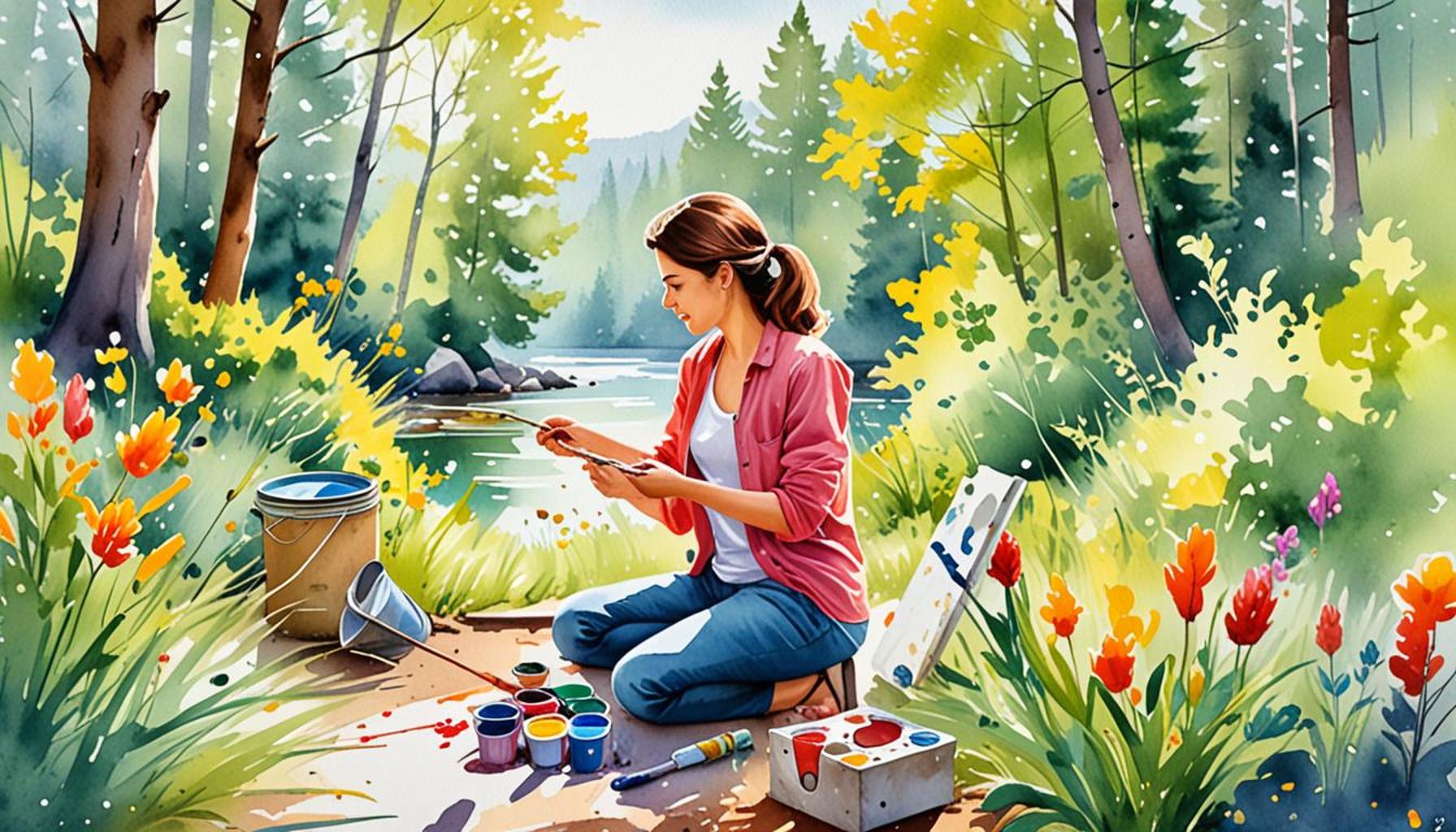
Outdoor painting, often celebrated with the term «plein air,» has long stood as a beloved practice among artists seeking to harness the raw energy of nature. For centuries, creators have ventured outside, driven by a passion to translate the dynamic beauty of the world around them onto their canvas. This immersive approach allows artists to capture not just the visual elements but the very essence of fleeting moments – from the soft caress of a breeze to the rustle of autumn leaves.
Immediate Inspiration
Nature provides an ever-changing canvas, a constantly evolving palette rich with diverse elements—light, color, and movement. Each moment outdoors can bring a new dramatic shift; consider how the sun casts vibrant colors on a landscape as it rises or sets. This daily ballet of light can transform a familiar scene into something extraordinary. For instance, local parks in cities like Central Park in New York or Golden Gate Park in San Francisco reveal stunning contrasts of seasons and times of day, inspiring artists to seize the beauty recurring in their surroundings.
Emotional Connection
When artists move their practice outdoors, they often develop a deeper bond with their subject matter. Being physically present in a setting cultivates awareness of the surroundings, triggering genuine emotional responses that can guide creative decisions. Each brushstroke may become an expression of the artist’s feelings, whether it’s the tranquility found in a quiet forest or the busy energy of an urban skyline. This connection may explain why many contemporary artists, from young students to seasoned professionals, find meaning and healing in their outdoor ventures.
Interactive Experience
Painting outdoors creates an interactive experience that encourages spontaneous artistic decisions. Unlike working in a studio, where the environment is static, outside elements—like shifting winds or wandering animals—offer unique challenges and opportunities for exploration. An artist might begin painting a serene lake but find inspiration in the sudden flurry of ducks taking flight or the reflection of clouds swirling above. This unexpected interplay ignites creativity and pushes artists to explore new techniques and styles. Not surprisingly, art retreats in the United States, held in scenic locales like the Rocky Mountains or the lush forests of the Pacific Northwest, are gaining popularity, allowing painters to dive deep into immersive, interactive nature experiences.
From the golden hues of a sunset to the intricate details of a wildflower meadow, outdoor painting challenges artists to notice the subtle nuances of their environment. Notable painters like Claude Monet have famously embraced this practice, crafting masterpieces that reflect the vivid colors and transient beauty found outdoors. Today, artists continue to follow in his footsteps, reinterpreting nature through their unique lenses.
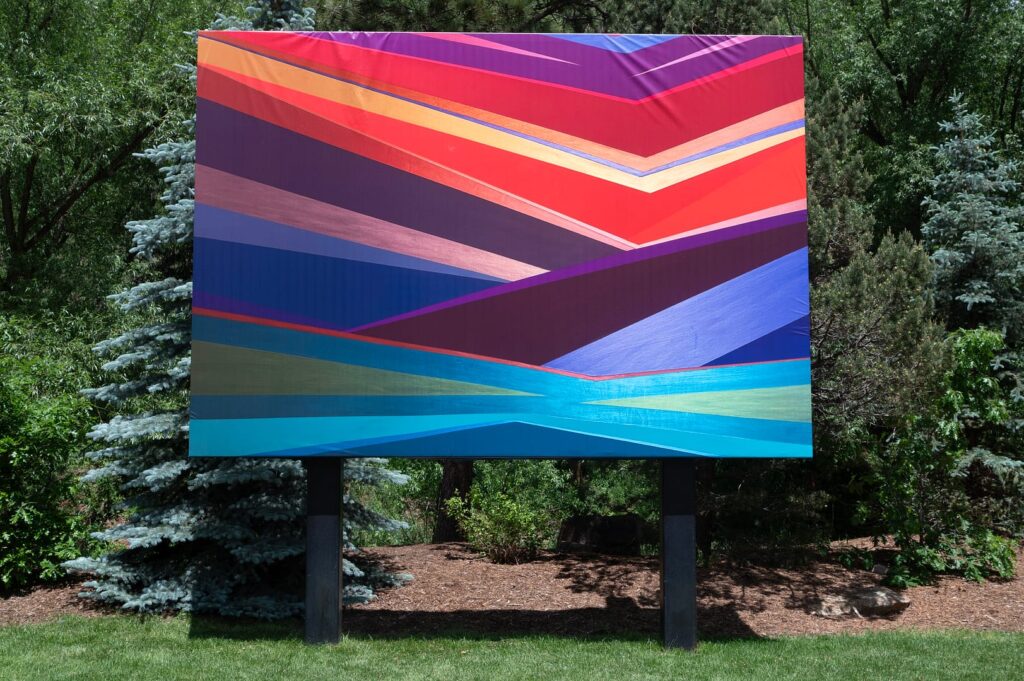
Join the growing community of artists discovering the added dimension of creativity and calm that comes from painting outside. Through this journey into nature’s embrace, one might uncover not only inspiration but also a renewed appreciation for the endless wonders present in our world.
DISCOVER MORE: Click here to unleash your creativity
Embracing Nature’s Palette
The art of outdoor painting invites artists to immerse themselves in a realm where nature serves as the ultimate muse. By stepping outside, creators tap into a sensory experience that invigorates their imagination. With every stroke of the brush, artists become part of the landscape, translating the vibrant hues and visual symphonies they encounter into their work. The enchanting interplay between light and shadow, coupled with the subtle shifts in colors through the seasons, forms an exquisite backdrop that challenges artists to push their boundaries and explore new artistic techniques.
Harnessing the Elements
Outdoor painting involves working harmoniously with the elements. Here are some characteristics of the outdoor environment that artists often embrace:
- Light: The sun’s position can alter a scene dramatically. Artists must adapt their palettes to encapsulate the varying warmth of midday sun versus the coolness of dawn or dusk.
- Color: Changes in weather and atmosphere can create a kaleidoscope of colors. A cloudy day may mute tones, while a clear sky can make shades pop vibrantly, challenging the artist to adjust to new palettes.
- Texture: The surfaces of natural scenes—from the smoothness of water to the roughness of bark—offer an opportunity to incorporate varied textures into paintings, enhancing visual depth.
- Movement: The ebb and flow of the environment, such as swaying grasses or rippling waters, encourage artists to capture dynamic elements, breathing life into their artwork.
As artists begin to work with these elements, they often rediscover a sense of freedom. The spontaneity of outdoor painting can foster new skill sets, pushing creators toward fresh interpretations of their surroundings. For instance, capturing the fleeting light of a sunset may require swift techniques such as broad strokes or layering colors quickly, resulting in an innovative approach that differs from the more controlled environment of a studio.
Building Community Through Collaboration
Outdoor painting also nurtures a sense of community. Artists often gather in groups for informal meet-ups or organized events, fostering exchanges of ideas and techniques. Whether painting in a bustling city park or on a quiet lakeshore, these gatherings allow artists to share experiences and inspire one another. Many towns across the United States host en plein air festivals, where local artists collectively paint iconic landscapes, showcasing their creations alongside seasoned professionals. Such events not only enhance individual creativity but also reinforce the social fabric of artistic communities, making art more accessible and participatory.
As we explore further into the interplay of creativity in motion and the natural inspirations drawn from the outside world, it becomes clear that outdoor painting is not merely a practice but an adventure. It compels artists to engage with the environment dynamically and to elevate their artistic expressions beyond mere representation to encompass the spirit of the world around them.
Exploring the Influences of Nature on Artistic Expression
The world of outdoor painting, often referred to as *plein air* painting, immerses artists in the dynamic interplay of natural surroundings. This practice fosters a unique relationship between the painter and the environment. The vibrant hues of sunset, the intricate details of foliage, and the undulating shapes of distant mountains become more than mere subjects; they transform into muses that inspire creativity. Artists discover that capturing the ephemeral quality of light and the essence of nature can lead to remarkable works that evoke emotion and connection.Moreover, outdoor painting encourages a profound sensory experience. Engaging fully with the environment allows artists to absorb sounds, scents, and the ambient atmosphere, which can deeply influence their artistic approach. This holistic experience often results in a more authentic representation of the subject matter, as artists become attuned to the subtleties of their surroundings.
Techniques for Harnessing Nature’s Inspiration
By experimenting with various techniques such as *layering colors* and manipulating brush strokes to replicate the texture of natural landscapes, artists can develop a personal style that reflects their encounters with nature. Additionally, specific tools, such as pocket palettes and portable easels, facilitate the outdoor experience, allowing for spontaneity and immediacy in creativity.As artists step outside, they join a historical continuum of ones who drew inspiration from the wilderness – from the Hudson River School to the Impressionists. The dedication to capturing nature’s beauty is more than an artistic venture; it is a tribute to the wonders of the natural world. Engaging with such inspirations not only enhances technical skills but also fosters a deeper appreciation for the environments we inhabit.
| Category | Description |
|---|---|
| Connection to Nature | Outdoor painting facilitates a deep relationship with natural surroundings. |
| Creative Techniques | Artists learn to use various techniques to replicate the beauty of nature. |
Through *Creativity in Motion*, artists not only hone their craftsmanship but also cultivate a renewed respect for the landscapes that inspire them. Engaging with nature has endless possibilities for exploration and creative growth, urging not just painters but all creatives to step outdoors and be inspired by the world.
DISCOVER MORE: Click here to delve deeper
Emotion and Connection in Art
One of the most profound aspects of outdoor painting is its ability to evoke emotion and connection with the environment. The beauty of a sunrise can ignite feelings of hope, while the stormy seas portrayed on canvas may convey a sense of turmoil. By translating what they see and feel into their art, outdoor painters share more than just a representation of nature; they express a deep-seated connection to the world around them. This emotional authenticity resonates with viewers, often prompting introspection and a shared appreciation for the environment.
The Therapeutic Benefits of Painting Outdoors
Engaging in outdoor painting also offers significant therapeutic benefits that enhance creativity and well-being. The simple act of being in nature has been shown to reduce stress levels and boost mental clarity. Studies from institutions such as the American Psychological Association indicate that spending time outdoors can elevate mood, fostering a feeling of tranquility that is conducive to creativity. For artists, painting outside can serve as a form of mindfulness, encouraging them to focus on the immediate experience of their surroundings rather than the distractions of daily life.
Moreover, the tactile sensations associated with outdoor painting—feeling the wind on one’s skin or hearing the rustling leaves—heighten awareness and deepen the connection to the moment. This immersion into nature not only enhances artistic expression but can also act as a catalyst for personal growth and exploration.
Techniques That Evolve with Practice
As artists take their easels into various landscapes—be it sun-kissed fields, misty mountains, or urban jungles—they often discover and experiment with unique techniques. The unpredictable nature of outdoor painting encourages a fluidity in practice, leading to the development of individualized styles. The lack of control over environmental factors requires artists to embrace spontaneity, leading to dynamic compositions that may diverge from conventional methods practiced in studios.
- Impressionism: Many outdoor painters draw inspiration from Impressionist techniques, which emphasize capturing the essence of a moment through loose brushwork and vibrant colors. This approach invites artists to convey the feeling of a scene rather than focusing on minute details.
- Alla Prima: This “wet-on-wet” technique allows artists to work quickly, blending colors directly on the canvas. This method is particularly effective when rendering fleeting moments, such as a sunset or shifting cloud formations, which may change in a matter of minutes.
- Layering and Glazing: Advanced outdoor painters often use techniques of layering and glazing to build depth in their work. By applying translucent layers of paint, they can create luminosity that mimics the natural light and colors of the scenery.
As these techniques evolve through practice in natural settings, artists expand not just their technical prowess but also their emotional language, allowing their work to convey diverse narratives and connections to the audience. The practice of outdoor painting emerges as a harmonious blend of technical skill, emotional depth, and a profound connection to nature.
DISCOVER MORE: Click here to uncover the significance of your travel souvenirs
Embracing the Outdoor Canvas
In the realm of art, the practice of outdoor painting represents a unique fusion of creativity and nature, activating both the artist’s imagination and their emotional resonance with the world around them. Every brushstroke layered on the canvas is not merely an attempt to replicate a landscape; it is an invitation to engage with the evolving narrative of the natural environment. From the vibrant colors of a sunset to the intricate play of shadows on a forest floor, these moments captured in plein air painting reflect a dynamic and ever-changing relationship between artist and inspiration.
The therapeutic benefits of painting outdoors further enrich this experience, promoting mental well-being and fostering a sense of peace that can recharge one’s creative spirit. For many, stepping outside with an easel transcends traditional artistic practices, transforming art creation into a form of therapy and mindfulness, reconnecting individuals with their surroundings. Moreover, the range of techniques that emerge from this practice—whether rooted in Impressionism, alla prima, or advanced layering—illustrates the adaptability and growth artists can achieve through continual exploration.
As we continue to recognize the importance of our natural landscapes, outdoor painting serves not only as a vessel for individual expression but also as a medium to enhance communal appreciation for nature. By engaging in this inspiring practice, artists contribute to a broader dialogue surrounding environmental awareness, challenging viewers to reflect on their own connections to the world. Thus, outdoor painting becomes a powerful avenue for both creativity and conservation, urging us to appreciate the beauty around us and to capture the fleeting moments that shape our lives.

Linda Carter
Linda Carter is a writer and creative hobbies expert specializing in crafting, DIY projects, and artistic exploration. With extensive experience helping individuals discover their creative potential and bring their ideas to life, Linda shares her knowledge on our platform. Her goal is to empower readers with practical tips, inspiring ideas, and step-by-step strategies for success in the world of creative hobbies.